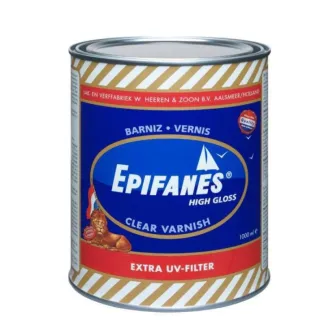


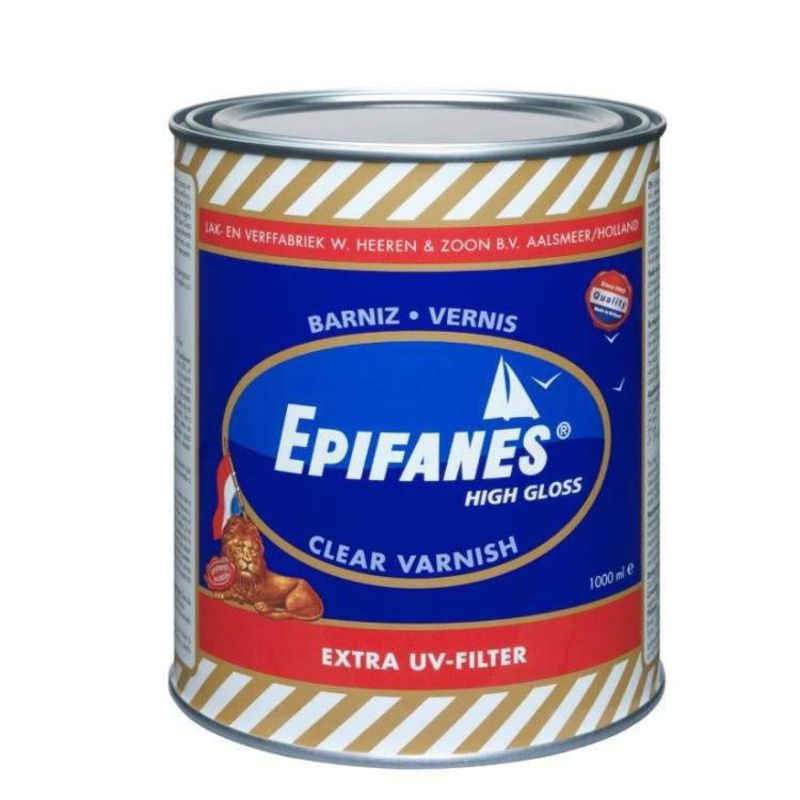


Epifanes Clear Varnish
At a glance
- Classic yacht varnish
- High elasticity
- High UV resistance
Product description
Epifanes Clear Varnish is a high-gloss, classic yacht varnish with long-lasting gloss retention. This one-component coating is highly UV-resistant, thanks to its built-in ultraviolet filter that protects the wood against discolouration from sunlight. The varnish stands out for its exceptional elasticity, preventing cracks on working wood. Formulated with wood oil, alkyd resins, and advanced UV filters, it provides outstanding resistance to weather, water, and wear. Suitable for both interior and exterior applications, it can be applied to new wood or as a maintenance coat over existing finishes.
Benefits of Epifanes Clear Varnish
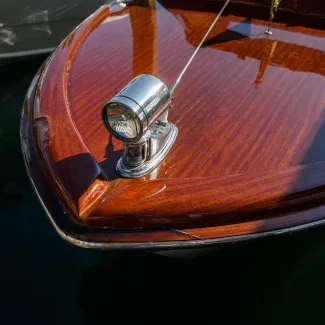
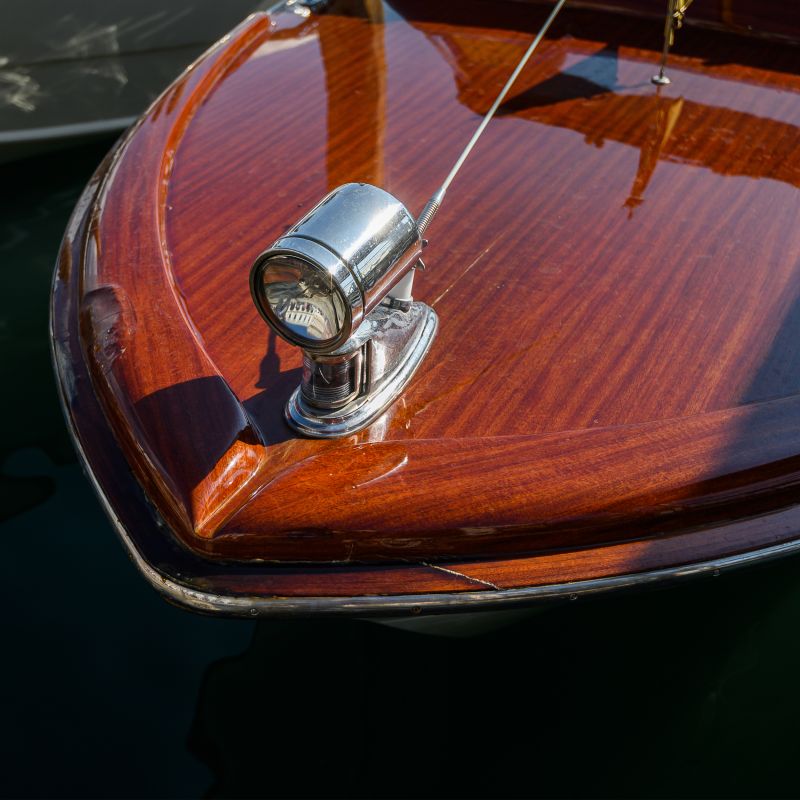
Epifanes Clear Varnish delivers unmatched protection and a deep, durable high gloss that highlights the natural character of the wood. It is extremely weather-resistant, water-repellent, and UV-stable, preventing aging and discoloration. Thanks to its excellent flow and adhesion, it is easy to apply and suitable for a variety of wood types. The varnish remains flexible, resisting cracking and peeling even under temperature fluctuations and in humid conditions.
Features of Epifanes Clear Varnish
Epifanes Clear Varnish is easy to use. Other features include:
- One-component boat varnish.
- Very UV-resistant.
- High elasticity.
- Long-lasting gloss retention.
Applications
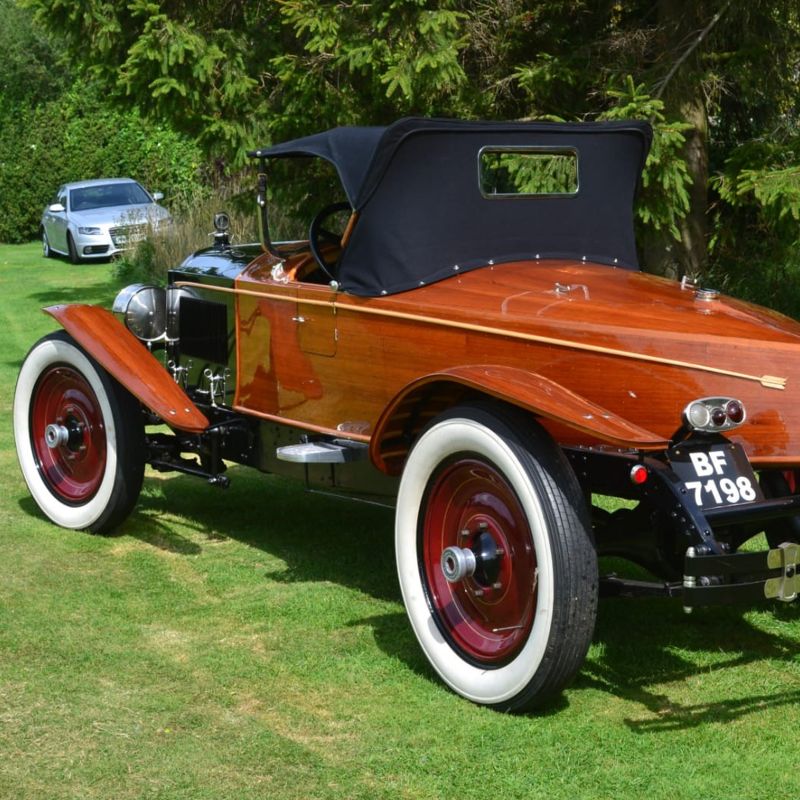
Epifanes Clear Varnish can be used for new work on bare solid wood (for example: meranti, mahogany, Oregon pine), and plywood for both interior and exterior use above the waterline. In addition, this clear varnish can be used for maintenance of intact one- and two-component varnishes, regardless of brand.
Directions for use
Do not apply Epifanes Clear Varnish wet-on-wet and do not apply excessive wet film thickness to avoid runs and drying problems. Always ensure sufficient ventilation during processing and drying of the paint. Avoid varnishing in direct sunlight or too much wind. A rapid loss of solvents will occur under these conditions and reduce the flow of the varnish. Please watch the video below for a detailed explanation of how to use Epifanes Clear Varnish.
Specifications
Base: Tung oil / Phenolic resin / Alkyd resin
Packaging: 250 ml, 500 ml, 1000 ml
Colour: transparent amber
Finish: high gloss
Dust dry after: 3 hours (20°C)
Sandable after: 24 hours (20°C)
Recoatable after: 24 hours (20°C)
Theoretical yield: 14 m2/L
Density: 918 gr./dm3 (at 20°C)
Recommended film thickness: per layer 60 - 70 µm wet = 30 - 35 µm dry
Application temperature: 8°C - 30°C
Shelf life: 3 years in closed original container if stored in a location with temperatures between 5 - 30°C
Order now or contact us
Order Epifanes Clear Varnish directly from our webshop. Would you like more information about this clear yacht varnish first? Feel free to contact our specialists with any questions. We are happy to help and can be reached by telephone on +31 85 022 0090. We are your trusted supplier for the right products to clean, polish, and maintain your boat or vehicle.
Product properties
The key technical properties clearly listed in one place.
- Article number
- BOO000755
-
The materials, substrates or tasks a product is intended for. A general claim such as 'suitable for plastics' does not mean it works with every type of plastic; the specific substrate and its preparation still matter.
- Houten boten
-
The technical product category, such as primer, resin, hardener or cleaner. It explains the product's purpose and helps you find other products with a similar function.
- Finish coat
-
The recommended layer thickness is the thickness at which you apply each coat of paint, coating or resin. It is usually given in micrometres (µm) or millimetres (mm).
- Wet film thickness: the thickness immediately after application.
- Dry film thickness: the thickness after drying or curing.
For a coating with 60% solids by volume, a wet film of 100 µm will theoretically produce a dry film of approximately 60 µm. Film thickness affects coverage, protection and drying. Always check whether the manufacturer specifies wet or dry film thickness.
- 60-70 µm wet (= 30-35 µm dry)
-
The recommended application temperature range indicates the conditions under which the product can generally be applied and cured properly. Three temperatures matter:
- Air: the temperature in the workshop or outdoors.
- Substrate: the temperature of the surface being treated.
- Product: the temperature of the resin, adhesive or coating itself.
A cold substrate can cause condensation and affect adhesion. At higher temperatures, two-component products may react faster, reducing their working time. Check the dew point and follow the product instructions.
- 8-30 °C
-
The chemical base describes the chemistry of an adhesive, sealant, resin or coating, such as epoxy, polyester, polyurethane, (methyl)methacrylate or a hybrid polymer. It affects curing, flexibility and adhesion. Products with the same chemical base are not necessarily suitable for the same applications.
- Wood oil/phenolic resin/alkyd resin
-
Density describes the mass of a material per unit volume. Values may be given in g/cm³, kg/L or kg/m³; 1 g/cm³ equals 1 kg/L. For example, one litre of a liquid with a density of 1.2 kg/L weighs approximately 1.2 kg. Density helps convert between weight and volume, but it can vary with temperature.
- 918 g/dm³ (20 °C)
-
The period for which an unopened product remains usable under the specified storage conditions. Check whether the period starts from the manufacturing date or another date. Shelf life may be shorter after opening, especially for products sensitive to air or moisture.
- At least 36 months
-
The overcoating interval tells you when the next layer of paint, varnish or coating may be applied. Many multi-coat systems specify both a minimum and a maximum interval:
- Minimum overcoating time: the previous layer is dry or cured enough to accept another coat.
- Maximum overcoating time: the period during which the next coat can bond without extra surface preparation under the stated conditions.
Overcoating too early can affect drying or the finish. Once the maximum interval has passed, cleaning and sanding may be needed to ensure adhesion between coats. Temperature and film thickness affect the waiting times.
- 1 day (20 °C)
-
The waiting time before an applied layer is dry or hard enough to sand without smearing or damage. Sanding too early can also clog the abrasive quickly. Layer thickness and temperature affect this time.
- 1 day (20 °C)
-
A paint or varnish layer is dust-dry when settling dust is less likely to stick to the surface. It may not yet be touch-dry, ready for overcoating or suitable for loading; these are different stages of drying and curing.
- 3 hours (20 °C)
-
Consumption or coverage describes how much product is needed for a given surface area. Consumption may be stated in g/m² or kg/m², while coverage is often given in m²/L or m²/kg. A consumption of 0.2 kg/m² means a theoretical 200 grams per square metre. Actual use depends on film thickness, substrate absorbency, application method and waste.
- Theoretical: 14 m²/L
- Net contents
- 1 L, 250 ml, 500 ml
Safety information
Read the warnings and use appropriate protective equipment before handling the product.
Reviews
Frequently bought together
Useful additions for your project.