Proper preparation is half the work, especially when it comes to painting or varnishing. A clean, grease-free surface is essential for a perfect finish.
But how do you know which degreaser to use and what the best approach is? In this article, we explain it step by step.
Why is degreasing so important?
Paint, varnish, or coatings cannot adhere properly to a dirty or greasy surface. Grease, wax residues, or oil on the surface can cause paint to peel or adhere unevenly. That’s why degreasing is a crucial step before sanding or painting.
For most dirt, a simple mixture of water and ammonia is often sufficient. This removes dust, light contamination, and grease residues. However, for optimal adhesion—especially on bare surfaces or old coatings—specialised degreasers are required.
Degreasers per surface
Not all surfaces are the same. Below is an overview of the most suitable degreasers for each type of surface:
| Surface | Suitable degreasers | Alternative |
|
Existing paint layers |
White spirit | |
|
Bare wood |
White spirit | |
|
Bare tropical wood |
Acetone | |
|
Bare polyester |
- | |
|
Bare steel |
Acetone | |
| Bare aluminum | Acetone |
How to degrease a surface correctly?
A few tips for properly degreasing a surface:
- Ensure the surface is free from dust.
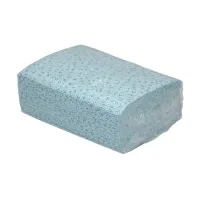
- Always degrease using clean paper towels or our special degreasing cloths. Replace the cloths as soon as they become dirty.
- Work systematically and rotate the cloths regularly to keep the surface clean.
- Allow the surface to evaporate fully after degreasing before sanding or painting.
Safety first!
Degreasing often involves aggressive chemicals, so protect yourself:
- Wear nitrile gloves resistant to chemicals.
- Ensure good ventilation in your workspace.
- Consider wearing a respirator, especially when working on large surfaces or for extended periods.
Ordering degreasers
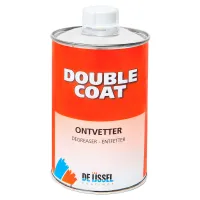
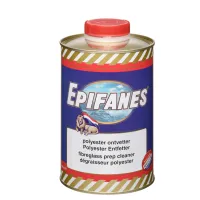
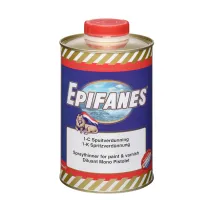
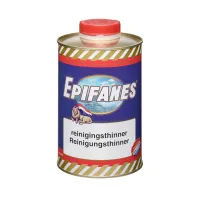
Polyestershoppen supplies a range of degreasers, thinners, and cleaners from well-known marine brands such as De IJssel Coatings, RESION and Epifanes. This way, you can always work safely with high-quality products.
Have questions about degreasing and cleaning? Feel free to contact our specialists. We’re happy to provide advice to help make your project a success!