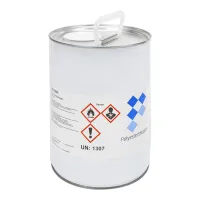
Liquid roofing is an excellent solution for making a roof durable and watertight, provided it is applied correctly. In practice, however, things can often go wrong. Insufficient preparation, inappropriate weather conditions, or applying a layer that is too thin can quickly lead to leaks or a significantly reduced lifespan. This article highlights the 7 most common mistakes in applying liquid roofing, helping you know exactly what to avoid for a flawless result.
What often goes wrong when applying liquid roofing
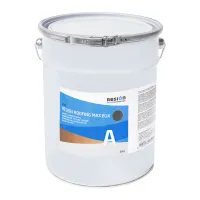
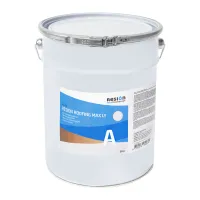
Liquid roofing, such as Impermax, is a popular solution for easily waterproofing flat roofs. However, experience shows that mistakes are common among both DIYers and professionals. In this blog, we list the 7 most common mistakes made when applying liquid roofing, so you can avoid them.
1. Insufficient preparation of the substrate
A frequent mistake when using liquid roofing is failing to properly clean or dry the substrate. Dirt, dust, oil, or moisture can prevent Impermax from adhering correctly. This can lead to blistering, peeling layers, or even leaks. Always ensure the substrate is clean, dry, and suitable (wood, concrete, EPDM, bitumen), and use a primer if necessary.
2. Using no primer or the wrong primer
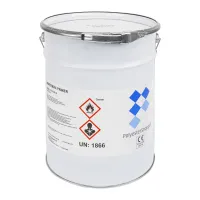
Liquid roofing requires a specific primer for each type of substrate. Skipping the primer or using the wrong one leads to poor adhesion and a shorter lifespan. Always consult the product specifications or seek advice if in doubt.
3. Incorrect layer thickness
Layers that are too thick may cure poorly and can cause cracking or blistering, while layers that are too thin offer insufficient protection. Follow the recommended layer thickness and, if necessary, apply multiple layers with sufficient drying time in between.
4. Ignoring weather conditions
Impermax must not be applied during rain, high humidity, or at very low temperatures. Doing so may cause adhesion failure or condensation under the coating. Always check the weather forecast and plan carefully.
5. Using the wrong tools or application method
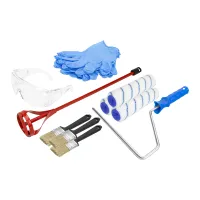
Use suitable rollers, mixers, and brushes to apply Impermax. Using incorrect tools can result in uneven coverage, trapped air, or material waste. Always use the tools included in the Impermax Auxiliary Materials Kit.
6. Insufficient attention to edges and details
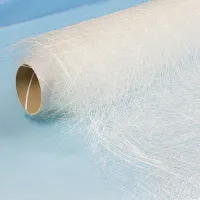
Corners, edges, penetrations, and upstands are often applied too thinly or overlooked. Use reinforcement fleece (e.g., Impermax polyester fleece) and give extra attention to these vulnerable areas.
7. Failing to inspect or provide aftercare
After application, the coating must be checked for holes, air bubbles, or uneven areas. Allow the roof to cure fully and apply an extra layer if necessary. Also, ensure that drains and edges are properly finished.
Want to know more?
Impermax is a powerful product for roof renovation, but only if applied correctly. By avoiding the common mistakes outlined in this blog, you increase the chances of achieving a watertight, durable, and professional result. Planning to do it yourself? Read the manual carefully or seek advice if in doubt. Feel free to contact our product specialists.