Recommended

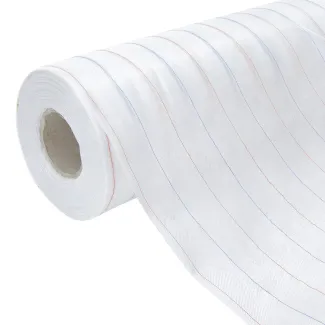
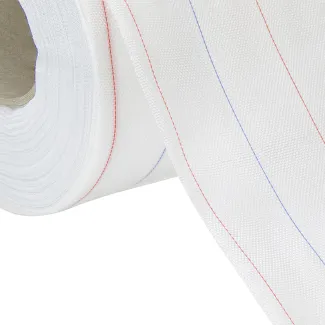
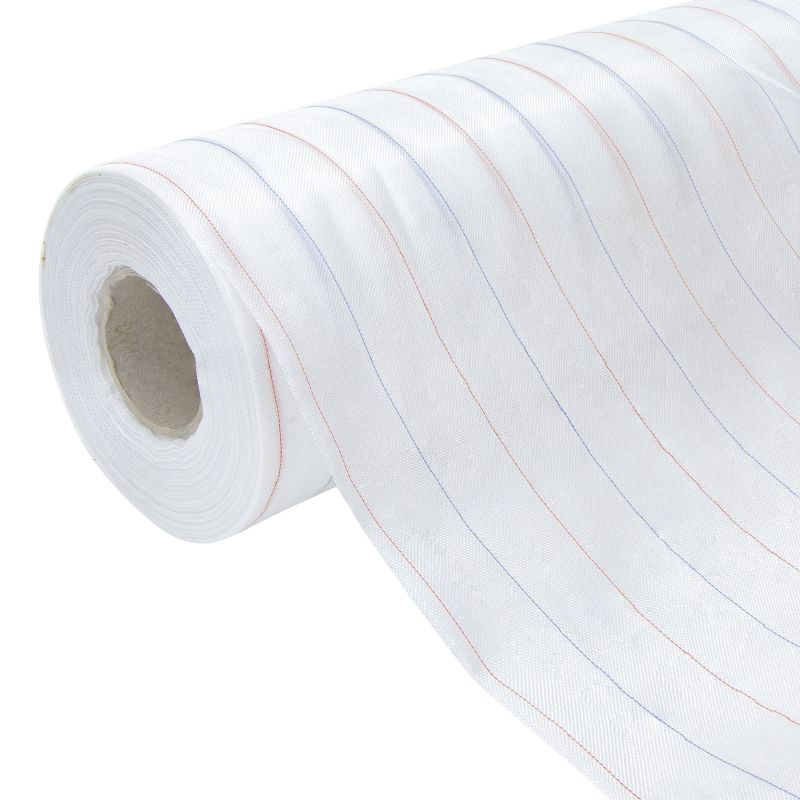
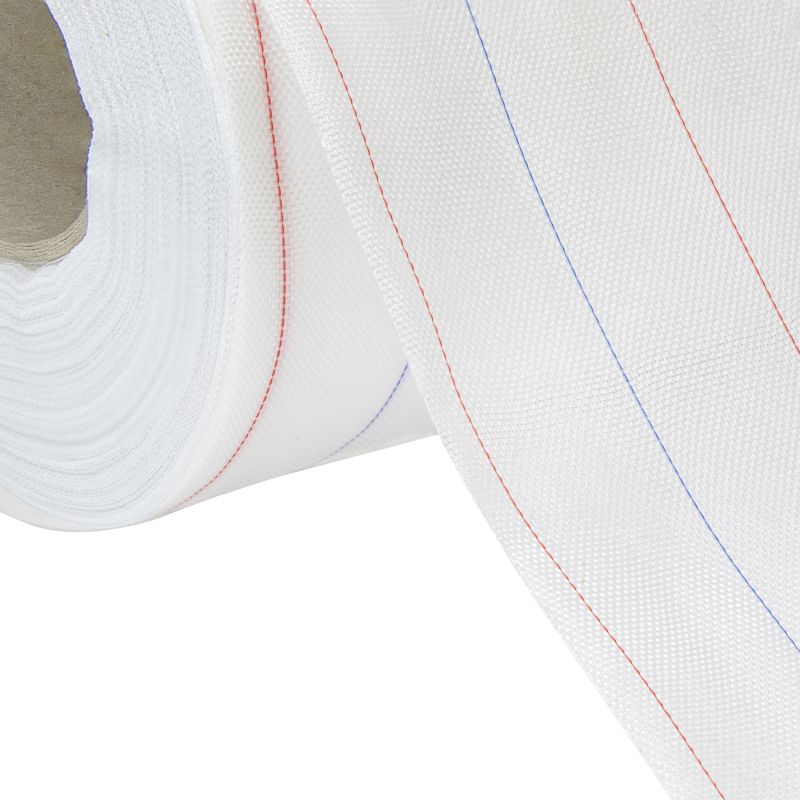
Peel ply provides an even, lightly textured surface on your laminate and can save a considerable amount of sanding work. The fabric is applied as the final layer on the laminate and pressed down firmly using a consolidation roller. This ensures that the peel ply conforms closely to the laminate and creates an even surface after curing.
After curing, the peel ply can easily be removed from the laminate. It leaves behind a lightly roughened, even surface that is suitable as a base for an additional laminate layer, bonding or coating. In many cases, this eliminates the need for sanding.
The peel ply is suitable for use with epoxy, polyester and vinylester resin and can be used for hand laminating, vacuum infusion and autoclave processing.
Material: nylon (polyamide)
Colour: white
Weight: 85 g/m2
Thickness: 130 µm
Width: 150 cm
Recommended processing temperature: 220 °C
Maximum temperature: 232 °C
Packaging:
The key technical properties clearly listed in one place.
The technical product category, such as primer, resin, hardener or cleaner. It explains the product's purpose and helps you find other products with a similar function.
The recommended application temperature range indicates the conditions under which the product can generally be applied and cured properly. Three temperatures matter:
A cold substrate can cause condensation and affect adhesion. At higher temperatures, two-component products may react faster, reducing their working time. Check the dew point and follow the product instructions.
The measurement across a product from one side to the other, for example for rolls, panels or fabrics. With rolled materials, the usable width may differ from the overall width.
The physical thickness of the supplied material, such as a panel, pad, film or foam sheet. This differs from the thickness of a liquid coating applied to a surface.
The base material a product or part is made from, such as HDPE, aluminium, glass fibre or foam. Material choice affects weight, stiffness, chemical resistance and how the part can be worked or processed.
Areal weight is the weight of one square metre of dry reinforcement, expressed in g/m² (grams per square metre). For example, 200 g/m² glass fabric contains 200 grams of dry fibres per m², without resin. Areal weight helps with reinforcement selection and resin consumption estimates, but it is not the final laminate thickness.
Useful additions for your project.