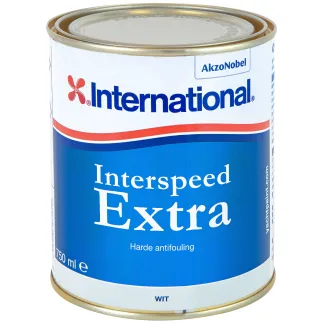
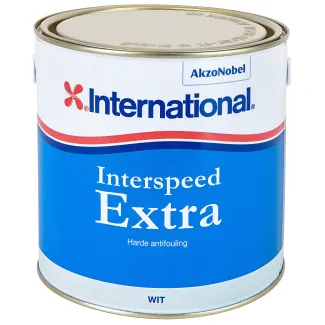

Antifouling International Interspeed Extra
At a glance
- Hard antifouling
- For fresh, brackish/salty water
- For all surfaces
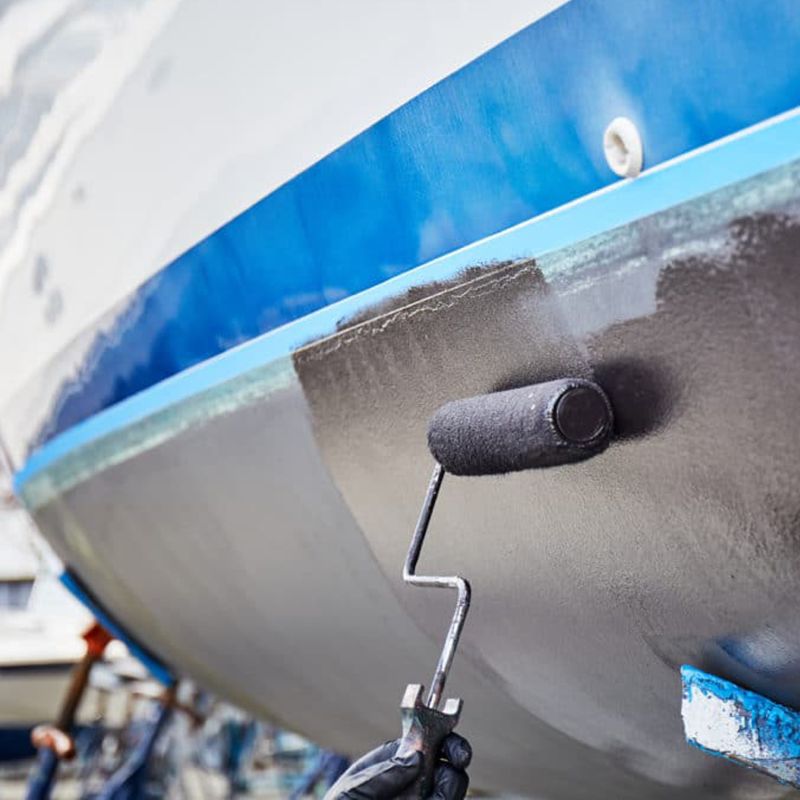
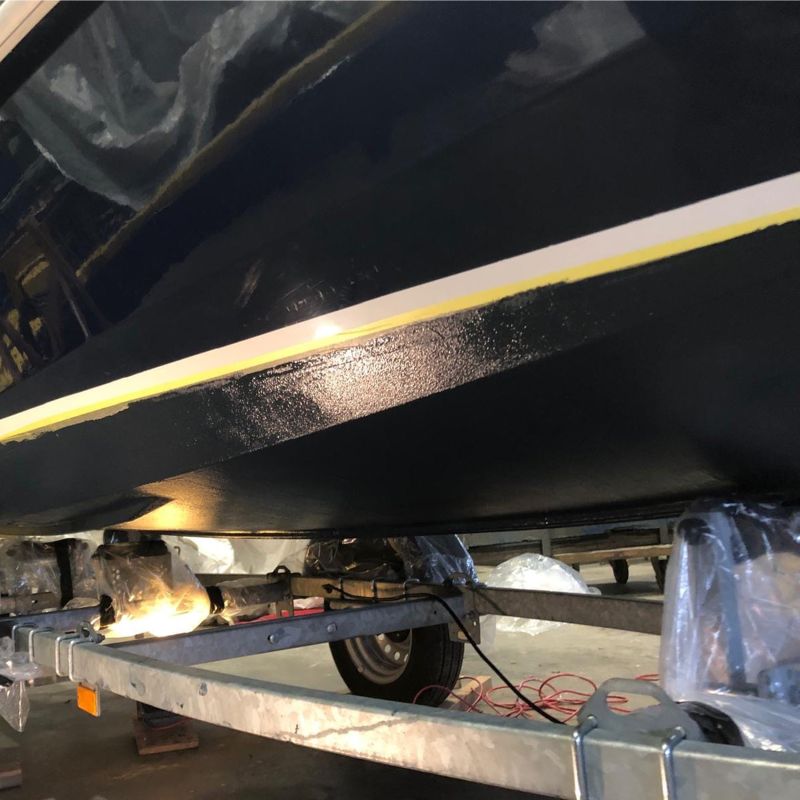
International Interspeed Extra has been the best-selling antifouling in our range for many years. This hard antifouling protects your boat’s hull below the waterline for an entire season against fouling and algae. It is suitable for use in fresh, brackish, and salt water, and can be applied to both sailing and motorboats.
Interspeed Extra can be used on almost all substrates, including polyester, epoxy, steel, and aluminum. Another major advantage: the antifouling can be applied up to 6 months before launching, giving you great flexibility in your planning. It is available in four vibrant colours, allowing you to not only protect your boat effectively, but also give it a sleek and attractive look. Do you have questions about how to use or apply Interspeed Extra? Our product specialists are happy to provide you with expert advice!
Benefits of International Interspeed Extra
- Easy to apply (1-component).
- Very good hard antifouling to prevent fouling.
- Suitable for polishing (very fine sanding) to achieve a smooth final finish.
- Suitable for all surfaces, including aluminum.
- Can be applied up to 6 months before launching.
Suitable substrates
International Interspeed Extra is suitable for use on the following materials:
- Aluminium / zinc-galvanised steel
- Bronze / stainless steel
- GRP (gelcoat)
- Lead
- Steel
- Wood
How to apply Interspeed Extra
When applying this antifouling over an unknown antifouling, we recommend first using International Primocon to neutralise the layer. If the old layer is in a bad condition, we advise to remove it with a vacuum scraper. Once the primer has fully cured, you can apply the antifouling without sanding for up to one month after application. After one month, the primer must be sanded with grit P80–P180 before applying the antifouling.
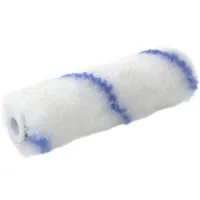
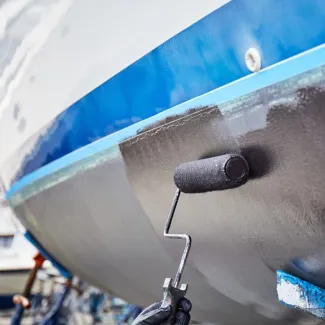
This antifouling consists of 1 component and can therefore easily be applied without having to mix it. Check the technical documentation for any pre-treatment of the substrate. Apply the Interspeed antifouling simply with a (furry)roller or brush. One coat per season is sufficient, but in areas with high turbulence—such as the bow, waterline, keel, and rudder—it is advisable to apply an extra coat for optimal protection.
Please watch the video below about International's best-selling antifouling.
Specifications
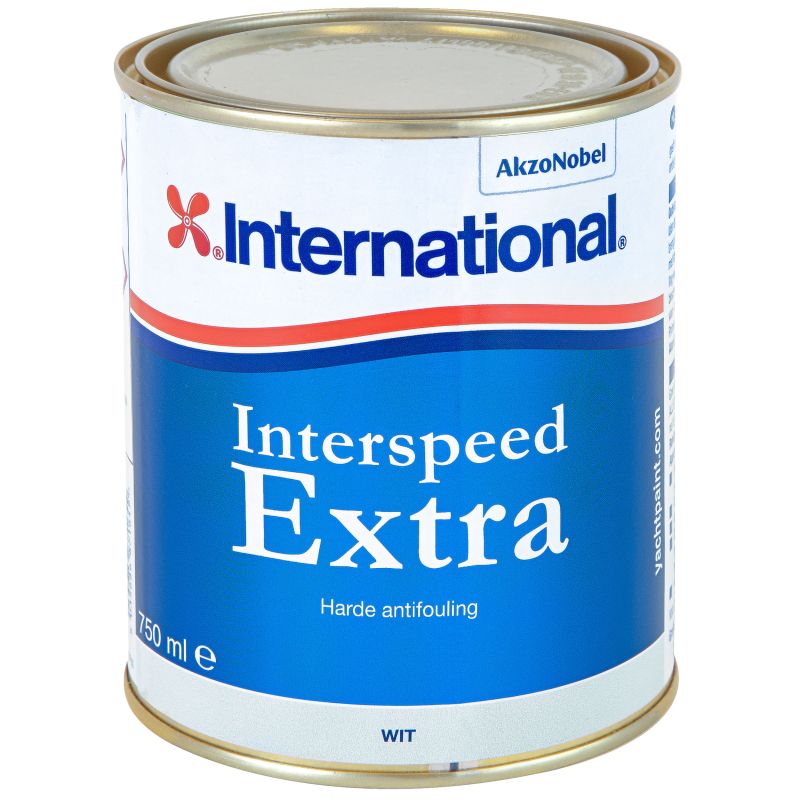
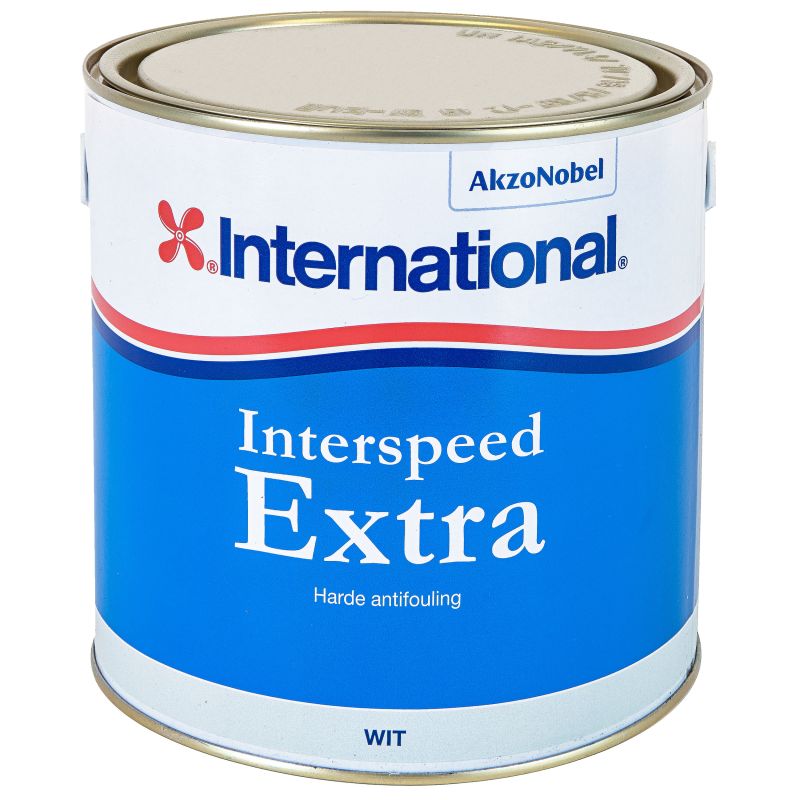
Packaging: 0.75L, 2.5L, 20L
Colour: navy, red, white*, black
Type antifouling: hard
Coverage: approx. 10 m2/ltr per layer
Application method: brush or roller
VOC content: 445 g/ltr
Thinning: not recommended
Minimum application temperature: 5℃
Tack-free after: 30 minutes (23°C)
Recoatable after: after approx. 10-15 hours
Water immersion after: 8 hours (at 23°C)
Shelf life: 2 years
Approval number: 14533 N
*The colour white is not available in 20-litre containers.
Everything for your boat!
Primers, antifouling, boat paints, gelcoat, topcoat and all other products for boat maintenance are available at Polyestershoppen.com! All our products are available from stock. If you place your order before 5:00 pm CET (Central European Time), your order will be dispatched the same day.
Do you have a question about osmosis treatment, repairs or antifouling? Take a look at our information centre. Would you rather contact one of our specialists? We are ready to assist you via email, telephone, WhatsApp or live chat!
Product properties
The key technical properties clearly listed in one place.
- Article number
- BOO000340
-
The materials, substrates or tasks a product is intended for. A general claim such as 'suitable for plastics' does not mean it works with every type of plastic; the specific substrate and its preparation still matter.
- Polyester boten, Stalen-boten, Aluminium boten
-
The technical product category, such as primer, resin, hardener or cleaner. It explains the product's purpose and helps you find other products with a similar function.
- Hard anti-fouling
-
The period for which an unopened product remains usable under the specified storage conditions. Check whether the period starts from the manufacturing date or another date. Shelf life may be shorter after opening, especially for products sensitive to air or moisture.
- 24 months
-
The time until the surface no longer feels tacky to a light touch. The material underneath may still be soft, so tack-free does not mean fully cured or ready for heavy loading.
- 30 minutes (23 °C)
-
Minimum application temperature is the lowest temperature at which a product may be used according to the manufacturer. The limit can apply to the air, substrate and product itself.
At lower temperatures, resins and coatings can become thicker and cure more slowly. Moisture can also condense on a cold substrate and reduce adhesion. Check the dew point and measure the surface temperature before starting. A longer drying time does not automatically make application below the specified minimum acceptable.
- 5 °C
-
The overcoating interval tells you when the next layer of paint, varnish or coating may be applied. Many multi-coat systems specify both a minimum and a maximum interval:
- Minimum overcoating time: the previous layer is dry or cured enough to accept another coat.
- Maximum overcoating time: the period during which the next coat can bond without extra surface preparation under the stated conditions.
Overcoating too early can affect drying or the finish. Once the maximum interval has passed, cleaning and sanding may be needed to ensure adhesion between coats. Temperature and film thickness affect the waiting times.
- Approximately 10-15 hours
-
The minimum waiting time between applying an underwater coating or antifouling paint and launching the boat. Some products also specify a maximum time before launch. These times may depend on temperature and applied film thickness.
- 8 hours (23 °C)
-
The authorisation number is the official registration number of an approved biocide-containing antifouling product. It can be used to check whether an antifouling product is authorised in a particular country. Dutch authorisation numbers may end with the letter N, such as 14533 N.
An authorisation applies only to the specified uses and conditions. Not every antifouling product is permitted in every country. Check the number and current instructions on the label, especially if you plan to use the antifouling outside the Netherlands.
- 14533 N
-
Consumption or coverage describes how much product is needed for a given surface area. Consumption may be stated in g/m² or kg/m², while coverage is often given in m²/L or m²/kg. A consumption of 0.2 kg/m² means a theoretical 200 grams per square metre. Actual use depends on film thickness, substrate absorbency, application method and waste.
- Approximately 10 m²/L
-
A specific thinner that can be used, where permitted, to adjust a product's application properties or viscosity. The correct thinner and maximum quantity depend on the product. Incorrect thinning can affect coverage, drying and curing.
- not recommended
- Net contents
- 20 L, 2.5 L, 750 ml
-
The application or processing methods specified by the manufacturer, such as brushing, rolling, spraying, casting or hand laminating. The chosen method can affect consumption, layer thickness and finish.
- Brush, Roller
-
VOC content (volatile organic compounds) indicates the amount of these substances in a product, usually expressed in g/L (grams per litre). They may evaporate during application and drying. The value describes the composition, but actual exposure also depends on how much is used, ventilation and the application method.
- 445 g/L
Safety information
Read the warnings and use appropriate protective equipment before handling the product.
Reviews
Frequently bought together
Useful additions for your project.