

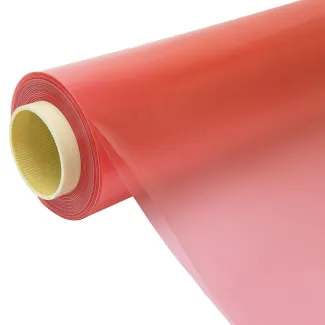
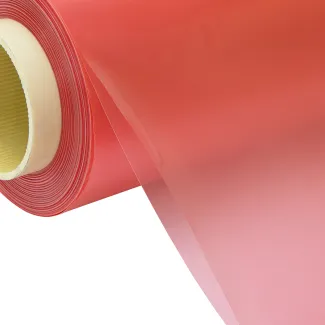
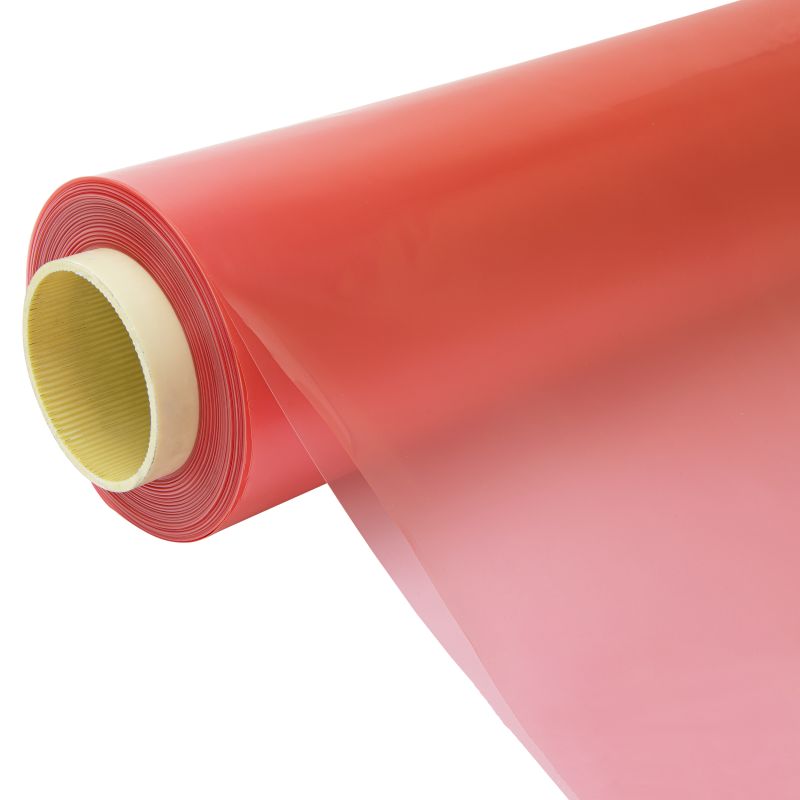
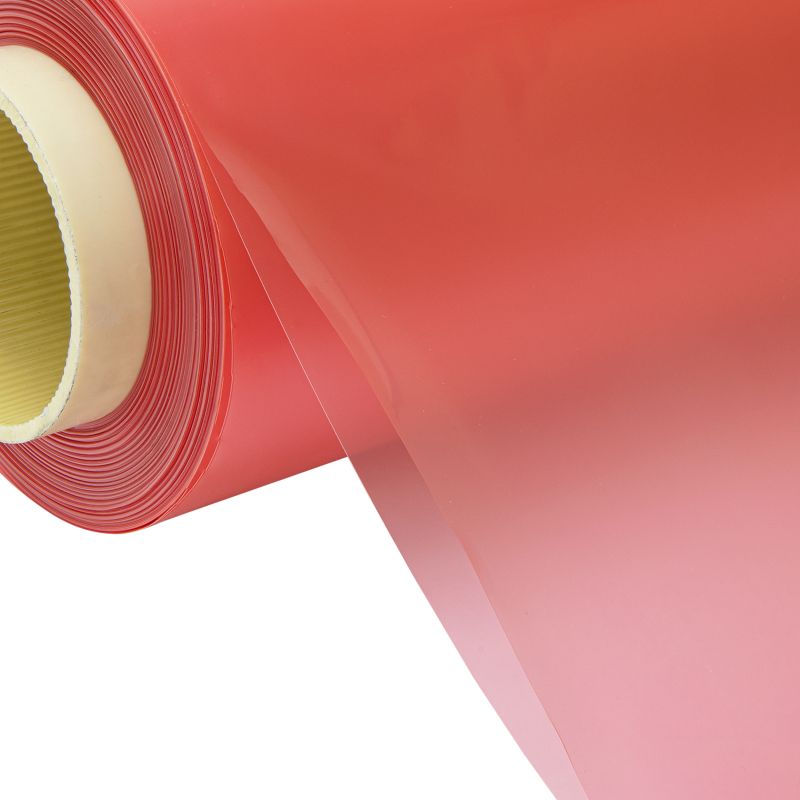
Vacuum film 50 μm
At a glance
- Flexible vacuum film
- Strong and airtight
- For polyester and epoxy
Fast delivery throughout Europe
Secure payment with PayPal, Mastercard, Visa and more
4.7 out of 5 stars on Trusted Shops
Product description
This vacuum film is designed for creating vacuum bags or for vacuum bagging laminates in a mould. With a thickness of 50 µm, the film is extra strong, significantly reducing the risk of leaks. It is highly supple and flexible, making it easy to work with (even for complex shapes).
The vacuum film adheres very well to sealant tape and is available on rolls in widths of 150 cm and 300 cm. This product is suitable for use in both ovens and autoclaves, at temperatures up to a maximum of 180 °C.
Features of vacuum film
- Strong and flexible 50 µm vacuum film.
- Available in rolls in widths of 150 cm and 300 cm.
- Excellent adhesion to sealant tape.
- Heat resistant up to 180 °C.
- Suitable for use in ovens and autoclaves.
Specifications
Maximum temperature: 180 ºC
Elongation at break: 380 %
Tensile strength at break: 50 MPa
Width: 150 cm or 300 cm
Thickness: 50 µm
Packaging:
- 150 cm x 5 metres (unfolded) (7.5 m2)
- 150 cm x 20 metres (unfolded) (30 m2)
- 150 cm x 200 metres (unfolded) (300 m2)
- 300 cm x 5 metres (centre fold) (15 m2)
- 300 cm x 20 metres (centre fold) (60 m2)
- 300 cm x 200 metres (centre fold) (600 m2)
Product properties
The key technical properties clearly listed in one place.
- Article number
- VAC000411
-
The technical product category, such as primer, resin, hardener or cleaner. It explains the product's purpose and helps you find other products with a similar function.
- Vacuumfolie
-
The measurement across a product from one side to the other, for example for rolls, panels or fabrics. With rolled materials, the usable width may differ from the overall width.
- 1.500 mm, 3.000 mm
-
The physical thickness of the supplied material, such as a panel, pad, film or foam sheet. This differs from the thickness of a liquid coating applied to a surface.
- 0.05 mm
-
Elongation at break indicates how much a material can stretch during a tensile test before it breaks. It is expressed as a percentage (%) of the original length. At 100% elongation, the material has doubled in length just before breaking. A high value indicates a high ability to deform, but not how much force is needed.
- 380%
-
Tensile strength is the maximum tensile stress a material can withstand during a tensile test before failure. It is usually expressed in MPa (megapascals) or N/mm² (newtons per square millimetre); 1 MPa = 1 N/mm². Under comparable test conditions, a higher value means greater resistance to tension. In composites, fibre orientation also affects the result.
- 68 MPa
- Net contents
- 150 cm x 5 m (unfolded) (7.5 m²)
Reviews
Frequently bought together
Useful additions for your project.
Recommended


Often chosen