Recommended

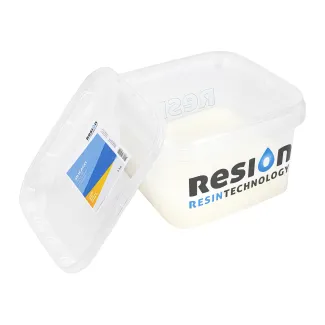
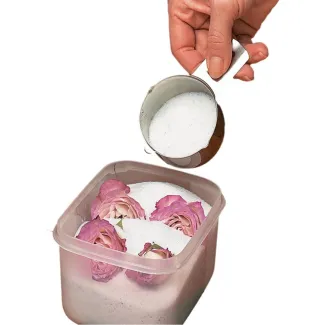
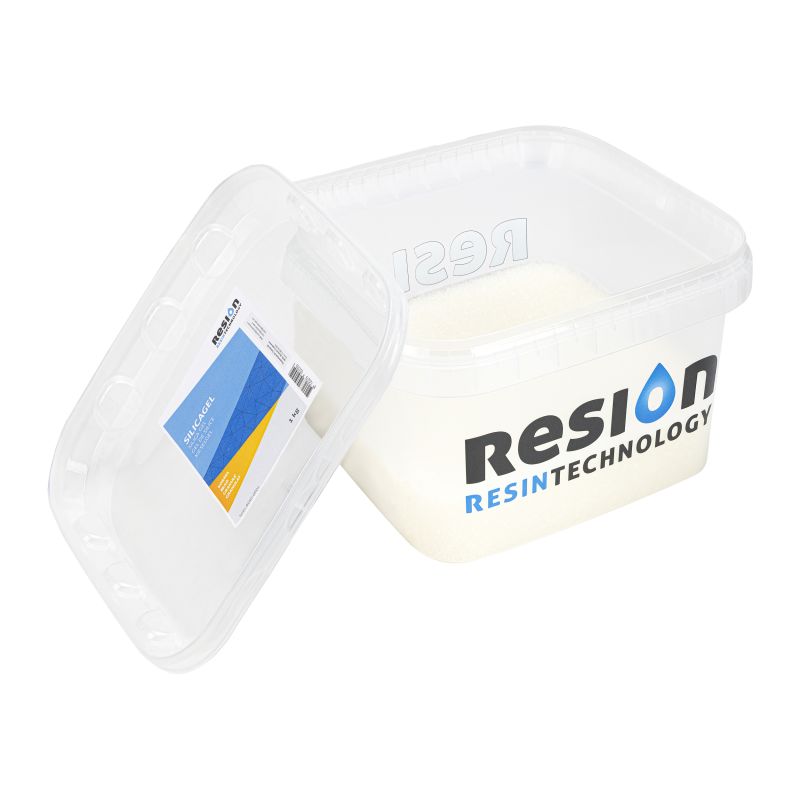
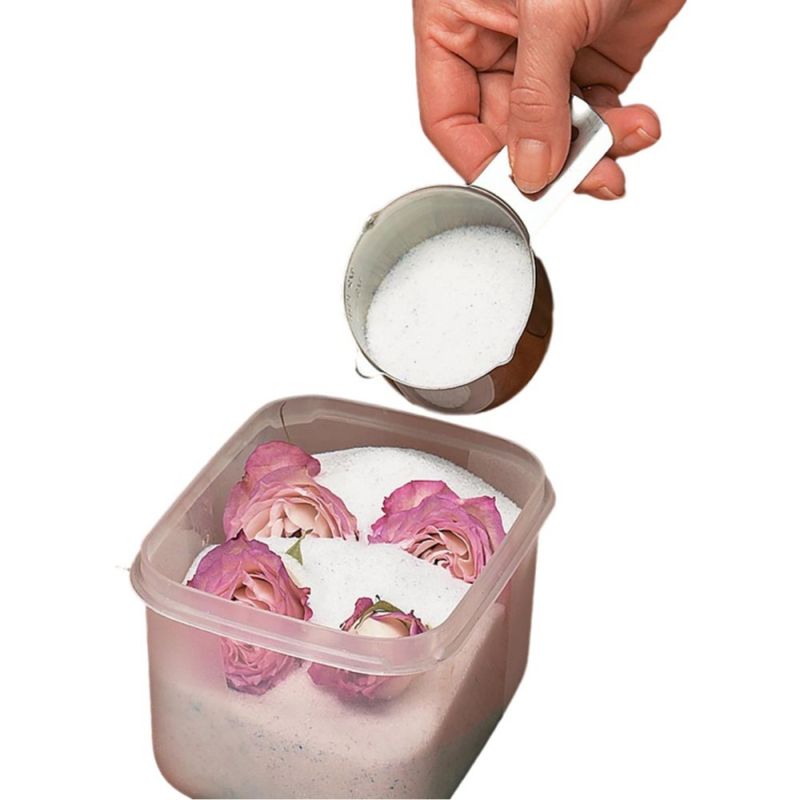
Did you receive beautiful flowers, want to immortalize a wedding bouquet, or dry unique nature finds to later cast them in epoxy? With our high-quality silica gel sand, you get the perfect drying agent for your home. Because this product is ultra-fine (0.2-0.8 mm), it effectively extracts moisture from the flower without deforming or damaging the fragile petals. This way, your flowers retain their beautiful, natural shape and colour without decomposing!
We supply the silica gel sand in sturdy, resealable, airtight packaging. This allows you to get started right away and keeps the sand in absolute top condition.
Drying flowers with silica gel is a very popular method worldwide. Why? Because it keeps the colour of the flowers incredibly beautiful. Unlike chinchilla sand, for example, silica gel ensures that colours remain intense and the flowers do not wither.
The difference between silica gel beads and silica gel sand is purely down to the size of the grains. Which variant you choose depends entirely on what you want to dry. While silica gel sand is the absolute favourite for drying flowers, you can use silica gel beads (coarse grain: 0.5-1.5 mm) for all other drying jobs. These coarse beads do not produce dust and are ideal for protecting 3D printer filament, saving wet electronics, or storing old photos and documents moisture-free.
| Application | Type of Silica Gel |
| Drying flowers | Sand |
| 3D printer filament storage | Bead |
| Drying electronic devices | Bead |
| Safe storage of photos and paper | Bead |
Drying flowers is very easy if you follow these steps:
Do not throw the sand away after use! You can easily reuse silica gel. Have the orange indicator beads changed colour and is the sand saturated? Spread the used sand on a baking sheet lined with baking paper or aluminium foil and place it in a preheated oven at 80°C for about 30 minutes. The absorbed water evaporates completely, the indicator beads turn orange again, and the sand is completely ready for your next drying session!
In the video below, Leen shows you how to cast dried flowers in epoxy yourself. You can also find the step-by-step guide with all the steps in our information article: DIY | Casting flowers in epoxy.
Packaging: 1 kg, 2 kg, or 7 kg
Grain size: 0.2-0.8 mm (fine grain)
Moisture indicator: yes (mixed-in orange indicator beads)
Applications: specially developed for drying flowers, petals, and leaves for epoxy projects.
The key technical properties clearly listed in one place.
Useful additions for your project.