Biaxial Tape 600 gr/m2
At a glance
- Resin consumption: 55 gr/m
- Laminate thickness: 0.78 mm
- Width: 10, 15 or 21 cm
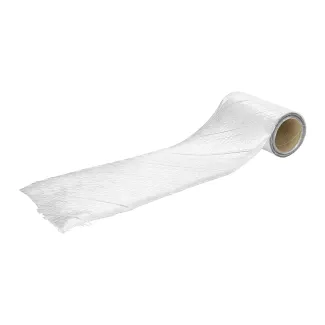
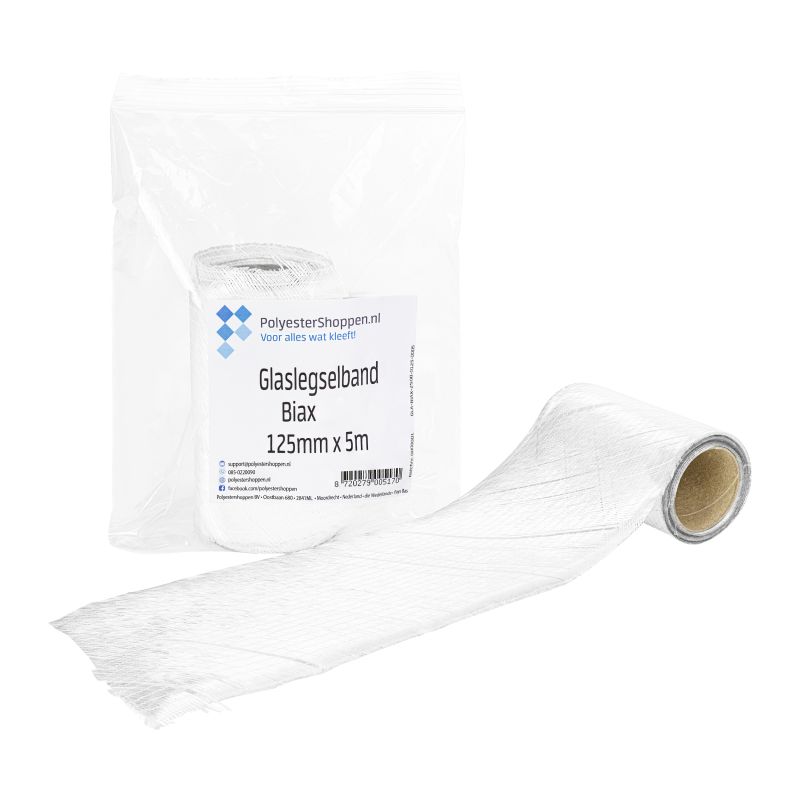
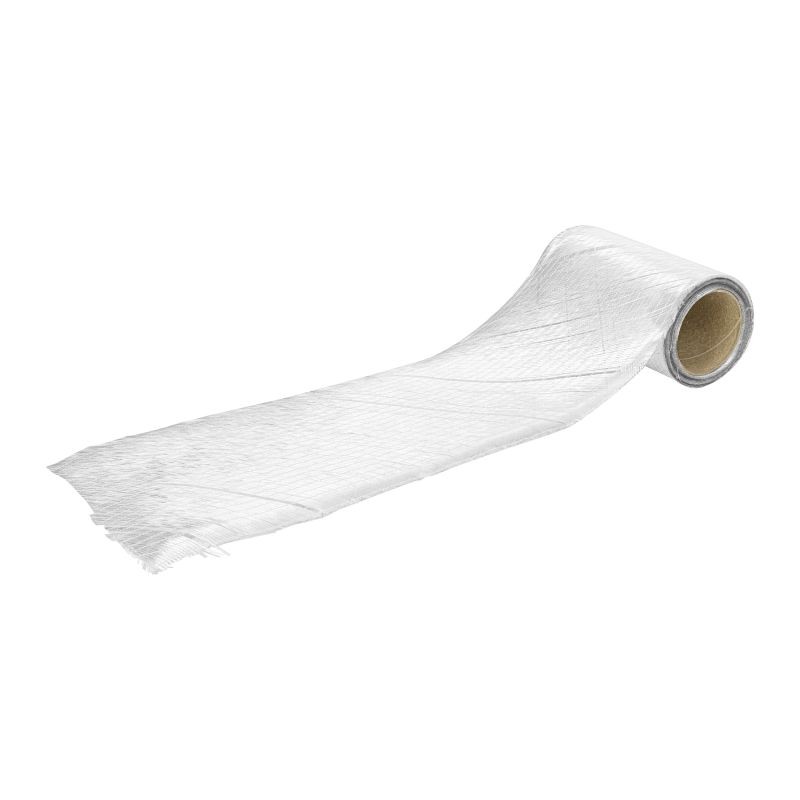
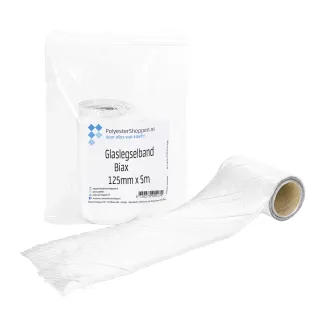
Biaxial glass fibre tape (600 gr/m²) with a width of 10, 15 or 21 cm is ideally suited for reinforcing corners, carrying out repairs and wrapping pipes, profiles and other structures. The biaxial glass fibre tape is machine-cut to a precise width, preventing the glass fibre material from fraying or becoming contaminated with cardboard debris. This cutting method also ensures a consistent width.
Biaxial glass fibre tape is suitable for use with polyester resin, epoxy resin and vinylester resin. The average resin consumption is approximately 549 gr/m². Consumption per linear metre depends on the tape width. After lamination, the biaxial tape reaches a thickness of approximately 0.78 mm.
Specifications
| Width | Resin consumption |
| 100 mm | 55 gr/metre (549 gr/m2) |
| 150 mm | 83 gr/metre (549 gr/m2) |
| 210 mm | 117 gr/metre (549 gr/m2) |
Weight: 600 gr/m2
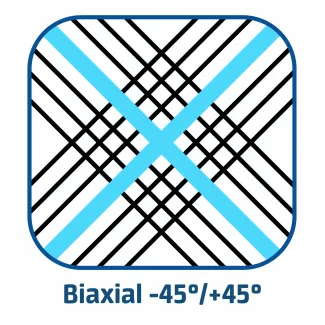
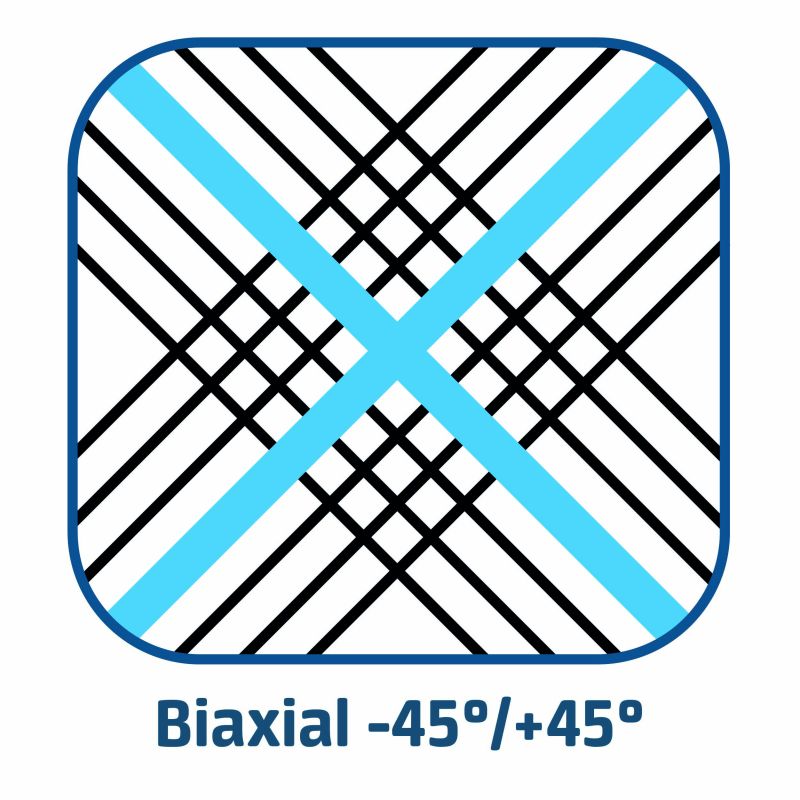
Weave type: biaxial -45/+45
Tape widths: 100, 150 and 210 mm
Compatible with: polyester resin, vinyl ester resin and epoxy resin
Laminate thickness: approx. 0.78 mm
Packaging:
5 linear metres: 10, 15 or 21 cm × 5 m
20 linear metres: 4 pieces of 5 m, available in widths of 10, 15 or 21 cm
50 linear metres: 10, 15 or 21 cm × 50 m (full roll)
Product properties
The key technical properties clearly listed in one place.
- Article number
- GLA001215
-
The materials, substrates or tasks a product is intended for. A general claim such as 'suitable for plastics' does not mean it works with every type of plastic; the specific substrate and its preparation still matter.
- Polyester, Epoxy, Vinylester
-
Fabric or reinforcement type describes how the fibres are arranged. This affects how easily the material drapes over a shape and which directions it mainly reinforces.
- Plain weave (square weave): the yarns pass alternately over and under each other. The fabric is stable and works well on flat or gently curved surfaces.
- Twill weave: recognisable by its diagonal pattern. It is more flexible than plain weave and drapes more easily over curves.
- Unidirectional reinforcement (UD): the fibres run mainly in one direction, usually marked 0°. It provides reinforcement primarily along that direction.
- Multiaxial reinforcement: fibres are arranged in several directions, for example biaxial (+45°/-45°), Square (0°/90°) or triaxial (0°/+45°/-45°). Fibre bundles are normally held together by stitching rather than a conventional weave.
Note: a Square reinforcement (0°/90°) is not the same as a plain-woven square fabric. Also consider fibre type and areal weight (g/m²).
- Biaxial (-45°/+45°)
-
The technical product category, such as primer, resin, hardener or cleaner. It explains the product's purpose and helps you find other products with a similar function.
- Glass fabric (special)
-
The measurement across a product from one side to the other, for example for rolls, panels or fabrics. With rolled materials, the usable width may differ from the overall width.
- 10 cm, 150 mm, 21 cm
-
Hand lay-up laminate thickness is the estimated thickness of one reinforcement layer after it has been impregnated with resin and consolidated with a roller. It is usually expressed in millimetres (mm). More layers produce a thicker laminate, but the final thickness also depends on fibre weight, resin uptake and consolidation.
- 0.78 mm
-
Areal weight is the weight of one square metre of dry reinforcement, expressed in g/m² (grams per square metre). For example, 200 g/m² glass fabric contains 200 grams of dry fibres per m², without resin. Areal weight helps with reinforcement selection and resin consumption estimates, but it is not the final laminate thickness.
- 600 g/m²
Safety information
Read the warnings and use appropriate protective equipment before handling the product.
Reviews
Frequently bought together
Useful additions for your project.