Often chosen

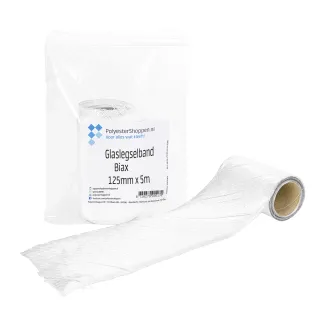
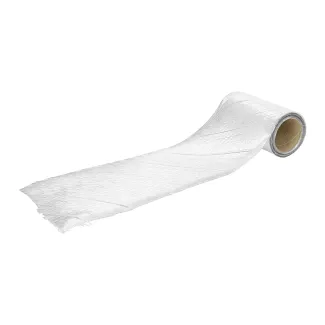
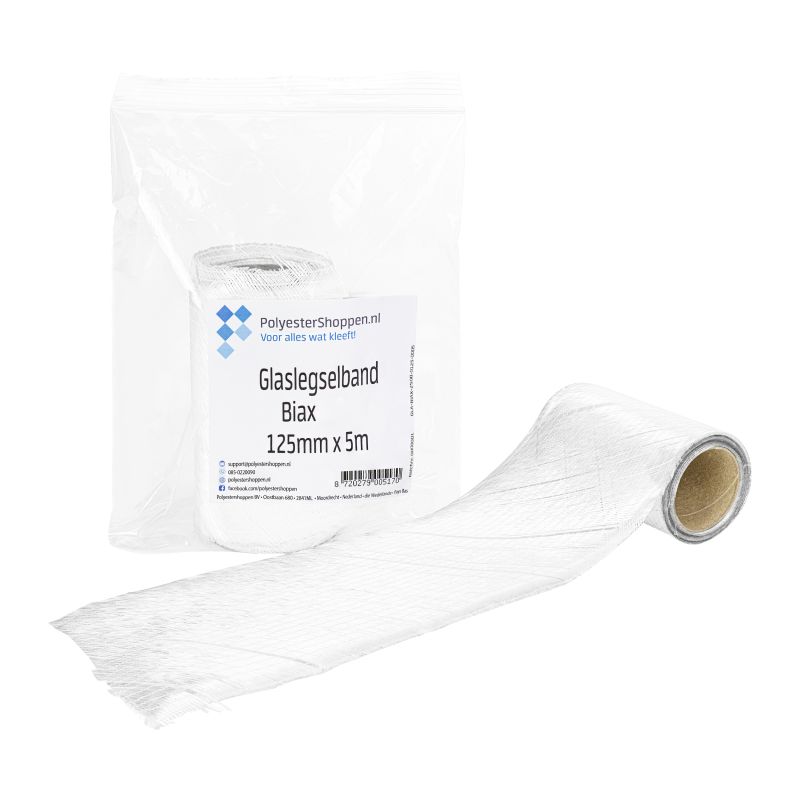
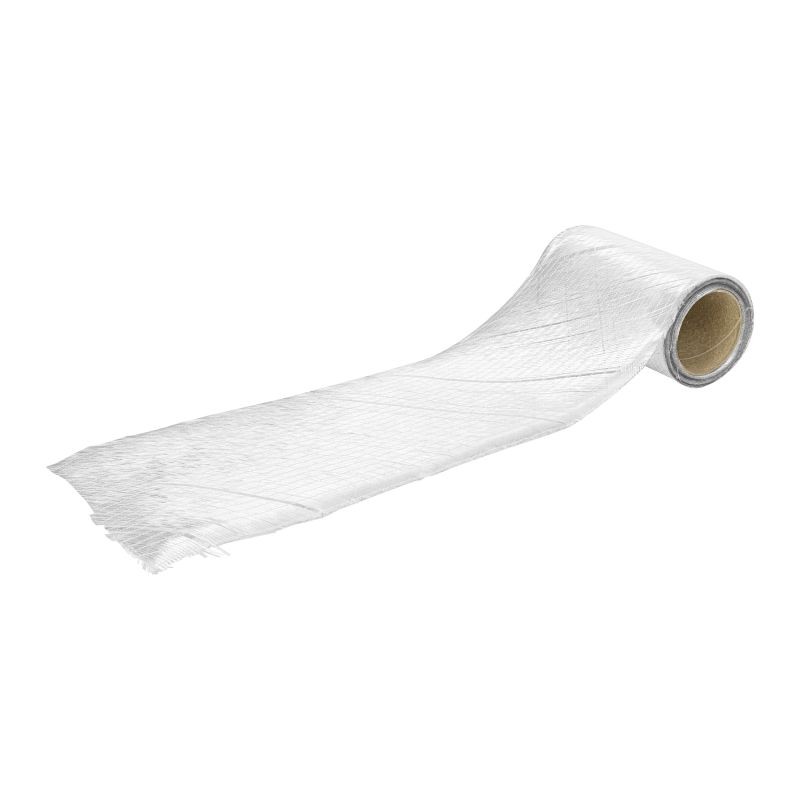
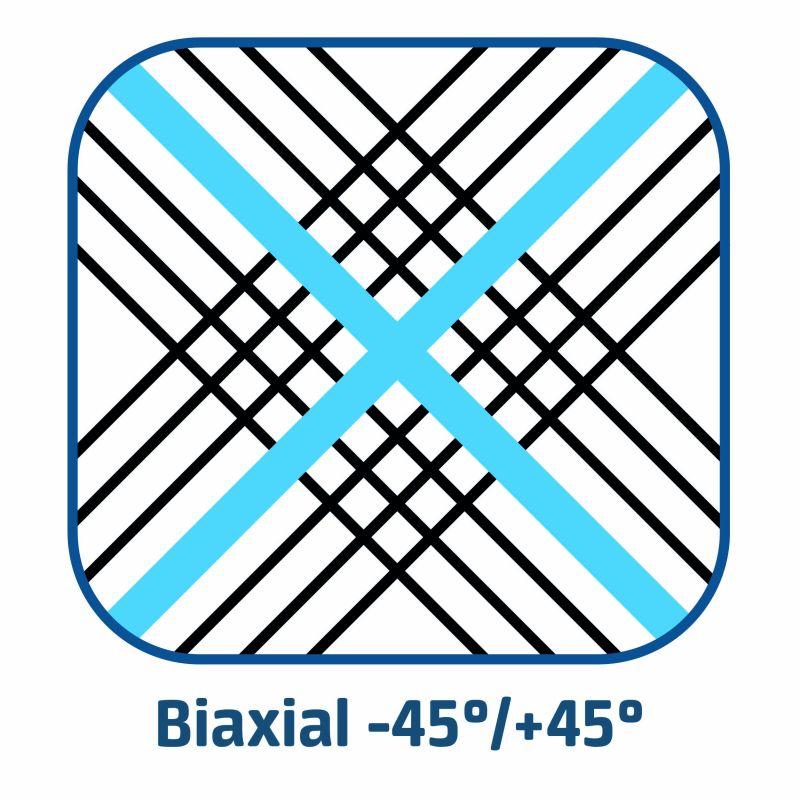
Biaxial glass fibre tape (450 gr/m²) with a width of 12.5 cm is ideally suited for reinforcing corners, carrying out repairs and wrapping pipes, profiles and other structures. The biaxial glass fibre tape is machine-cut to a precise width, preventing the glass fibre material from fraying or becoming contaminated with cardboard debris. This cutting method also ensures a consistent width.
Biaxial tape is suitable for use with polyester resin, epoxy resin and vinylester resin. The average resin consumption is approximately 52 grams per linear metre (415 gr/m²). After lamination, the biaxial tape reaches a thickness of 0.59 mm.
Weight: 450 gr/m2
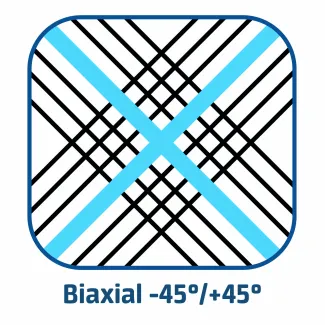
Weave type: biaxial -45/+45
Width: 125 mm
Suitable resin systems: polyester resin, vinylester resin and epoxy resin
Laminate thickness: approx. 0.59 mm
Resin consumption: approx. 52 gr per linear metre (415 gr/m2)
Packaging:
The key technical properties clearly listed in one place.
The materials, substrates or tasks a product is intended for. A general claim such as 'suitable for plastics' does not mean it works with every type of plastic; the specific substrate and its preparation still matter.
Fabric or reinforcement type describes how the fibres are arranged. This affects how easily the material drapes over a shape and which directions it mainly reinforces.
Note: a Square reinforcement (0°/90°) is not the same as a plain-woven square fabric. Also consider fibre type and areal weight (g/m²).
The technical product category, such as primer, resin, hardener or cleaner. It explains the product's purpose and helps you find other products with a similar function.
The measurement across a product from one side to the other, for example for rolls, panels or fabrics. With rolled materials, the usable width may differ from the overall width.
Resin consumption indicates how much resin is required to properly wet out a reinforcement material. It may be stated in g/m² (grams per square metre), g/m for narrow fabric tapes or as resin quantity relative to dry fibre weight. Actual use depends on fibre type, areal weight and laminating method.
Hand lay-up laminate thickness is the estimated thickness of one reinforcement layer after it has been impregnated with resin and consolidated with a roller. It is usually expressed in millimetres (mm). More layers produce a thicker laminate, but the final thickness also depends on fibre weight, resin uptake and consolidation.
Areal weight is the weight of one square metre of dry reinforcement, expressed in g/m² (grams per square metre). For example, 200 g/m² glass fabric contains 200 grams of dry fibres per m², without resin. Areal weight helps with reinforcement selection and resin consumption estimates, but it is not the final laminate thickness.
Useful additions for your project.