Winterizing your boat means protecting the hull, the engine, the water system and the deck against frost, moisture and fouling during winter storage. If you skip this, you risk frost damage, osmosis and a considerably more expensive spring service. With the checklist below you go through everything step by step, so your boat can go straight back on the water in spring.
Why you should take winterizing your boat seriously
Winterizing your boat is the cheapest insurance against winter damage. Water left behind in pipes, cooling systems or a porous gelcoat expands in frost and causes cracks that you only discover in spring. Dirt and fouling eat further into the surface during winter, giving you more work later on cleaning and polishing. A few hours of work in autumn thus saves you a costly and time-consuming repair.
Complete checklist to winterize your boat
You winterize your boat in fixed steps, from the underwater hull to the engine and the deck. Work through the parts below in order and tick them off one by one.
Checking the underwater hull and antifouling
Winterizing the underwater hull starts with hosing it down as soon as the boat comes out of the water. Remove weed, limescale and loose residue with the right cleaning agents before they harden, because that saves a lot of sanding in spring. Then check the antifouling layer for bare spots and blisters, as the latter can point to osmosis. If you are unsure about the type of coating you need, the article all about antifouling will help you further.
Winterizing the engine, fuel and battery
Winterizing the engine prevents most expensive winter damage. Change the oil, fill the fuel tank almost full to limit condensation and add a fuel stabiliser. Drain the cooling systems or fill them with antifreeze according to your engine's manual, so that any water left behind cannot freeze. Finally, remove the battery, charge it fully and store it in a frost-free place.
Protecting the gelcoat, deck and superstructure
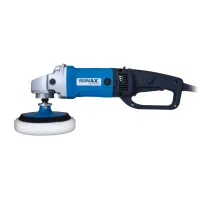
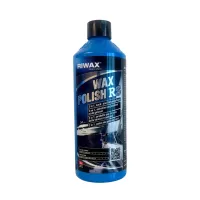
Winterizing the gelcoat and the deck keeps the hull looking good and repels penetrating moisture. Clean the surface thoroughly and apply a layer of wax, so that dirt and moisture get less of a chance; how to go about that you can read at polishing and waxing. Small scratches or dull spots you tackle now with the steps from repairing gelcoat, because in spring you have no time for that.
Preventing water, pipe and frost damage
Winterizing the water system is the step that most boat owners underestimate. Drain the drinking water tank, the boiler, the toilet pump and all pipes completely, or fill them with non-toxic antifreeze. Even a small amount of water left behind expands in frost and cracks plastic or copper pipes. Then check that the bilge is dry too.
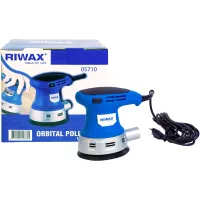
Everything for this job, from primers and tools to cleaning and polishing agents, you will find bundled in the boat maintenance category.
Risks if you skip winterizing
The risks of not winterizing your boat are greater than a day's extra work. Below are the most common types of damage, which were almost always preventable.
Osmosis and moisture damage in the hull
Osmosis is the risk that most often arises when you skip winterizing. Moisture penetrates the polyester layer through damaged or porous gelcoat and forms blisters that affect the structure. If you see blisters or a soft spot, treat that seriously; in boat repair and restoration you can read which steps are involved.
Frost damage to engine and pipes
Frost damage to the engine and pipes is the most expensive risk of a boat that has not been winterized. Water left behind in the block, the cooling or the pipes freezes, expands and cracks metal or plastic. A cracked engine block often means an overhaul or replacement, while draining and antifreeze would have been a matter of minutes.
Need help?
Want to be sure you are not overlooking anything? Our specialists are happy to think along with you. Feel free to get in touch for tailored advice about your boat and the right products.