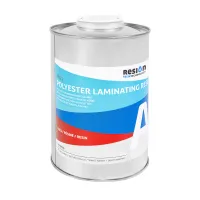
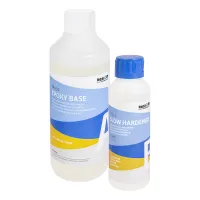
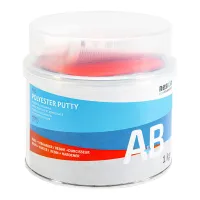
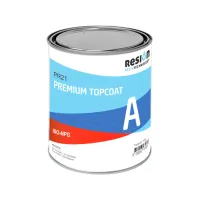
Everything for your boat! At Polyestershoppen, you will find everything you need to prepare your boat for a new boating season. Even if you are going to renovate your boat, you will find all the products you need to work professionally. We have an extensive range of primers, antifoulings, paints, polishes and repair kits from the best brands!
Do you want to repair or simply refurbish your boat with polyester or epoxy? Then you will find all the products and information you need on this page. Do you still need help after reading? No problem, just send us a message and we will help you quickly.
Video series "Everything for your boat!"
In our video series: "Everything for your boat!", Arne and Kees take you through their project to completely refurbish an old polyester boat. They explain step by step what to do and which products you need. Curious about the end result? Then watch all episodes in the playlist: "Everything for your boat!" on our YouTube channel.
What problem do you have with your boat?
Below you'll find the most common problems on polyester (and steel) boats, grouped under the five key problem areas. For each problem you'll see the cause and the relevant guide(s) to fix it. Not sure where to start? Call or WhatsApp our specialists for free advice.
1. Hull below the waterline, osmosis & antifouling
| Problem | Cause | Solution |
| 1. Blisters or bubbles below the waterline. | Osmosis: moisture penetrates the laminate through the micro-porosity of the gelcoat. | Treat the hull according to the 5-step osmosis treatment plan. For prevention: IJmopox HB Coating as an osmosis barrier. |
| 2. Marine growth (algae, barnacles, mussels) on the hull. | No antifouling, worn-out antifouling or the wrong type below the waterline. | Read all about antifouling and choose between hard antifouling or self-polishing antifouling. Biocide-free alternative: Hempel Silic One or International B-Free. |
| 3. Antifouling is peeling, flaking or won't adhere. |
a. Wrong primer underneath the antifouling. b. Poorly prepared or contaminated surface. c. Incompatible paint system. |
a. Choose the right primer for your substrate — see all about boat primers. b. Follow the best preparation for paintwork: degrease, sand and remove dust. c. Strip all old paint layers down to the gelcoat using the right removal method and start with a clean paint system. |
| 4. Paint residue, old antifouling or an uneven hull. | Layered paint systems that were never removed or were poorly applied. | This is how to quickly remove paint from steel or polyester. Then optionally fair the hull with epoxy filler for a smooth base. |
2. Gelcoat, above the waterline
| Problem | Cause | Solution |
| 1. Dull or chalky gelcoat. | UV damage, oxidation and overdue wax/polish maintenance. | Polish the gelcoat with Riwax or Dulon polishing compounds. Not sure which machine to use? Read rotary vs. Dual Action polishing. |
| 2. Hairline cracks (crazing) in the gelcoat. | Ageing of the gelcoat or stress in the underlying laminate. | Follow the guide repairing gelcoat crazing in a polyester boat. |
| 3. Scratches, cracks or impact damage in the gelcoat. | Physical contact (mooring, fenders, transport). | Read repairing gelcoat: cracks, scratches, dullness or the detailed guide gelcoat repair above the waterline. For larger damage: repairing holes and cracks above the waterline. Colour-matched repairs? Order topcoat, gelcoat or DD lacquer in any colour. |
| 4. Yellow moustache or limescale around the waterline. | Water stains, minerals and organic contamination. | Removing limescale and the yellow moustache from your boat. |
3. Deck & structure
| Problem | Cause | Solution |
| 1. Soft or spongy spot on the deck or hull. | Rotten balsa core: moisture penetrates through loose fitting cut-outs. | Follow the guide repairing a rotten balsa core in a polyester boat. |
| 2. Leaks around fittings, hatches or portholes. | Loose fittings, worn sealant or poorly sealed screw holes. | Reinstall fittings following how to correctly mount boat fittings and close any unused holes using 3 ways to seal screw holes with polyester. |
| 3. Worn or eroded non-slip surface. | UV, wear and weather exposure. | See the 5 best non-slip solutions for on board. Ready to get started? Follow the guide applying non-slip with Coltech GripElast or, for restoring an existing non-slip deck, non-slip repair with Gibco Flex-Mold. For extra grip in paints and coatings: SoftSand non-slip granules. |
| 4. Bouncy or sagging floor. | A rotten or weakened core in the floor. | Building a new floor in the boat with polyester. |
| 5. Rotten or wet transom. | Moisture entering via deck hatches or poorly sealed engine brackets. | Transom repair with polyester. |
| 6. Greyed, cracked or loose teak deck. | UV damage, ageing, loosened seams. | For cleaning and colour restoration: cleaning a teak deck with Dulon. For repairing cracks and seams: teak deck repair guide. |
4. Paint layers & primer
| Problem | Cause | Solution |
| 1. Paint layers blister, flake or fail to adhere. |
a. Wrong primer under the paint system. b. Poorly prepared surface (grease, dirt, insufficient sanding). |
a. Choose the right primer with which boat primer do you need? b. Follow the best preparation for paintwork — degreasing, sanding and removing dust are crucial. |
| 2. The wrong paint over an existing coating. | Mismatch between old and new paint systems (e.g. one-component over two-component). | First identify which paint system is on your boat and read which boat paint do you need? Then apply it according to painting a boat with DD lacquer. Steel boat? See how to paint a steel boat. |
| 3. Rust on steel hull parts or fittings. | Damaged or worn coating leaving steel exposed to water and oxygen. | Removing rust from steel boats and then refinishing with a suitable paint system. For stainless-steel fittings: polishing stainless steel with Riwax Metal Polish. |
| 4. Yellowed, cracked or dull varnish on wooden parts. | UV damage and overdue maintenance. | Follow the maintenance tips for varnished wood. |
5. Prevention & seasonal maintenance
| Problem | Cause | Solution |
| 1. Condensation and mould inside the boat. | Insufficient insulation, causing warm air to condense on the cold hull. | Apply a layer of PUR foam against the hull — see insulating a boat with Froth-Pak. |
| 2. Accelerated weathering and dull gelcoat. | No wax/polish or neglected maintenance. | Polish your boat at least once a year with Riwax and keep the gelcoat protected. |
| 3. Poor adhesion of newly applied paint, lacquer or antifouling. |
a. Dirty or greasy surface beforehand. b. Insufficient sanding. c. No degreasing applied. |
a. Thoroughly clean the hull first — see cleaning a polyester boat. b. Sand according to the best way to sand your boat. c. Degrease the surface following how to degrease a substrate. |
| 4. Unsure which product, sequence or season to choose. | Many product options and maintenance tasks differ per boat type. | Start with the boat maintenance FAQ — covering the most common questions about antifouling, primers, polishing and seasonal planning. |
Boat repair with epoxy or polyester?
Want to get started with repairing or preparing your boat with polyester or epoxy? That works out wel! In addition to the video series, we have also written an information article for each video. We have written out all the steps again so that you can refer to them during your work. In the articles you will also find a list of the required products. Saves you searching again. And Polyestershoppen really has everything for your boat.
We have a suitable manual for every job. Whether it concerns cleaning your boat, applying antifouling or polishing your boat, you will find all relevant articles in our information centre. The manuals are written in such a way that a handy DIYer can easily follow the steps!
Below is a list of all articles, manuals and simple step-by-step plans. Good luck repairing or refurbishing your boat with polyester or epoxy!
Cleaning, sanding and scraping
Repairs
- Repairing holes in your boat (epoxy).
- Repairing holes in your boat (polyester).
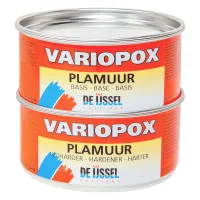
- Plastering the underwater hull.
- Laminating glass fibre with epoxy.
- Prevention and treatment of osmosis.
- Repair of gelcoat crackle.
- Gelcoat repair above the waterline.
- Strengthening the bottom.
Painting and finishing (below the waterline)
- What primer do you need?
- What is antifouling and how do you apply it?
- Priming a boat hull with HB coating.
- Applying hard antifouling.
- Applying self-sharpening antifouling.
- Manual Hempel Silic One (biocide-free).
- All about biocide-free antifoulant paint from International (B-Free).
Painting and finishing (above the waterline)
Polishing, buffing and seasonal maintenance
Additional steps
What should you always have at home and on board?
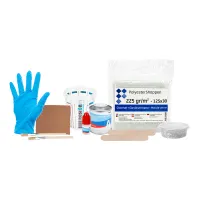
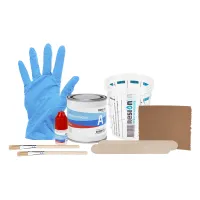
In addition to the usual materials that you should always have on board, we also recommend having a few products available as standard. For example, do you have a polyester boat? Then make sure that you always have a polyester repair kit. This set contains everything you need to repair minor damage quickly and easily yourself. Handy if, for example, you have a hole in your boat. The polyester repair kit comes in a handy packaging, so you can easily store it for years (in a dry, cool place).
You will also receive a clear step-by-step instructional video by email on how to carry out a boat repair with the polyester repair kit.
A product that you should always have on board is HPX Stretch & Fuse. This tape is vulcanising which means it can stop any leakage. That saves a lot of panic when pipes are leaking, for example!
Boat repair with polyester
You can use polyester for various applications to repair or refurbish your boat. This is often the case when it comes to a polyester boat. Polyester is easy to process and relatively cheap compared to epoxy.
When using polyester in combination with a fibreglass mat, it is important to ensure that the laminate is vented (de-aerated) with a good vent roller. This prevents blisters in the laminate and thus osmosis later.
Are you not yet familiar with working with polyester? Then we recommend that you read the polyester starter's guide. It contains many general tips for using polyester.
Boot repair with epoxy
Epoxy is also used in many applications. This includes filler for leveling the hull or, for example, applying the primer for the desired paint system or antifouling.
Epoxy is a 2-component system with several advantages:
- Adheres to almost all substrates.
- Osmosis-resistant and osmosis protective.
- Durable material.
Are you not familiar with epoxy? Then it is advisable to read some basic information, including the epoxy starter's guide. Furthermore, it is important to know that epoxy must be mixed accurately in the correct quantities. It is therefore advisable to use a (kitchen)scale when preparing the resin and of course to mix well!
Questions about boat maintenance and repair?
Do you have questions about boat maintenance and repair? Or don't you know where to start? Please feel free to contact our specialists. We are happy to help you make your project a success!