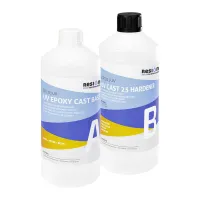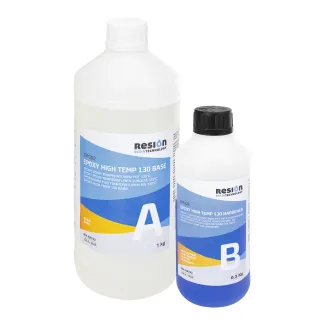
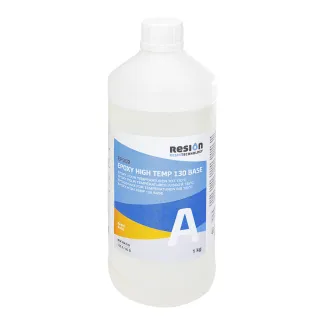
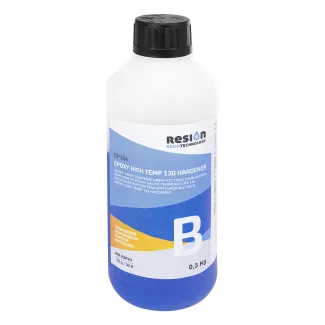
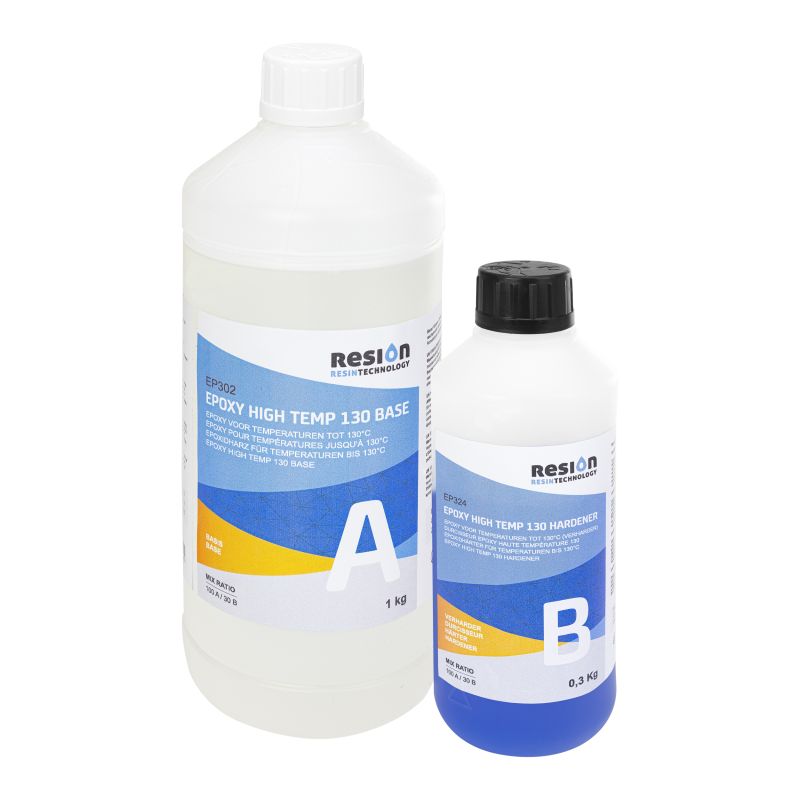
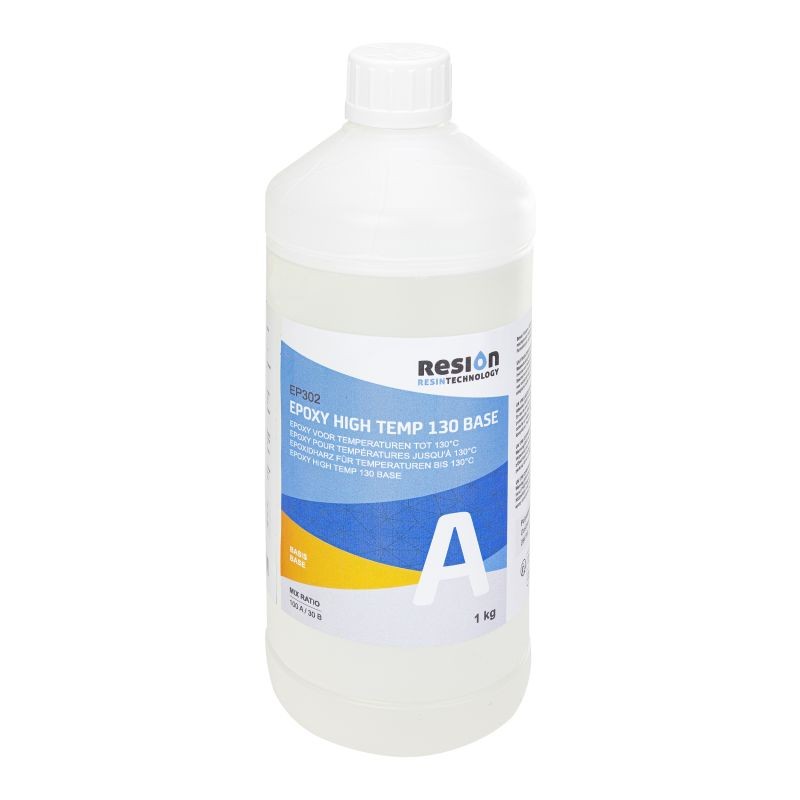
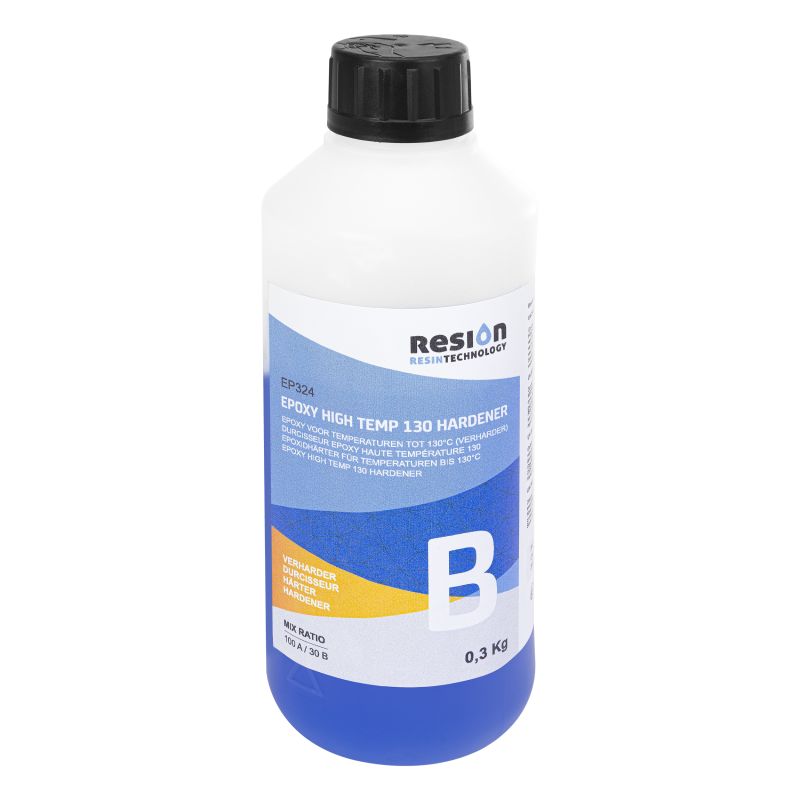

EP302 | Epoxy High Temp 130 | BASE | 0,5 kg
UFI: R740-K062-T00X-3W9T
Special epoxy resin with very high temperature resistance. After post-curing, the resin is suitable for temperatures up to approx. 130 °C. This heat-resistant epoxy is the ideal resin for applications requiring increased temperature resistance. Due to its low viscosity, the epoxy is particularly suitable for impregnating fabrics by hand or by means of vacuum infusion. In combination with fillers such as Stewathix, this epoxy can easily be used to create adhesive bonds or filling compounds.
The High Temp epoxy offers excellent adhesion to glass fibre, carbon fibre and aramid fibre. This makes the resin suitable for use in high and dynamically loaded constructions. High temperature epoxy is often used for the following applications:
Weigh the components according to the mixing ratio of 100:30 (by weight) and mix the components well until a homogeneous mixture is obtained. Make sure to scrape the sides and bottom of the mixing cup during mixing. Once mixed, the epoxy is ready for immediate use. Apply the resin with a brush, velour roller or by using vacuum infusion. After curing at room temperature, the epoxy remains brittle. Post-curing at a minimum temperature of 50 °C is then required. The product can then undergo further post-curing in a free-standing position. See the table below for possible post-cure cycles:
| Post-cure | Temperature | Tg* |
| 20 hours | 100 °C | 105-120 °C |
| 20 hours | 140 °C | 135-120 °C |
*Glass transition temperature (Tg) = the temperature at which epoxy becomes rubbery and flexible.
| Unit | Resin (EP302) | Hardener (EP324) |
| 0.65 kg | 500 grams | 150 grams |
| 1.3 kg | 1 kg | 300 grams |
| 6.5 kg | 5 kg | 1.5 kg |
The key technical properties clearly listed in one place.
Working time is the period during which a product remains workable after mixing or activation, usually given in minutes at a specified temperature, often 20 °C. With reactive resins, the chemical reaction also continues in the mixing container, and larger quantities or higher temperatures can shorten this time. Working time is different from gel time and full curing time.
Heat resistance describes the temperature a material can withstand after correct processing and curing, usually expressed in degrees Celsius (°C). Continuous exposure is different from a brief temperature peak, and mechanical loading may also affect the limit. Heat resistance is not the same as the temperature at which the product can be applied.
UV stabilisation helps a material better withstand the effects of sunlight, including yellowing and deterioration of its properties. It slows ageing but does not make a resin or plastic completely resistant to UV exposure. The degree of protection varies by product.
The technical product category, such as primer, resin, hardener or cleaner. It explains the product's purpose and helps you find other products with a similar function.
The tasks a product is intended for, such as laminating, casting, bonding, sealing or protecting. Products intended for the same application can differ considerably in processing, curing time and final properties.
Mixing ratio indicates how much of each component is needed, for example resin (A) and hardener (B). A ratio of 100:50 by weight means 100 grams of A to 50 grams of B; by volume you might use millilitres. Weight and volume ratios are not necessarily the same because the components may have different densities. Accurate measuring is important for proper curing.
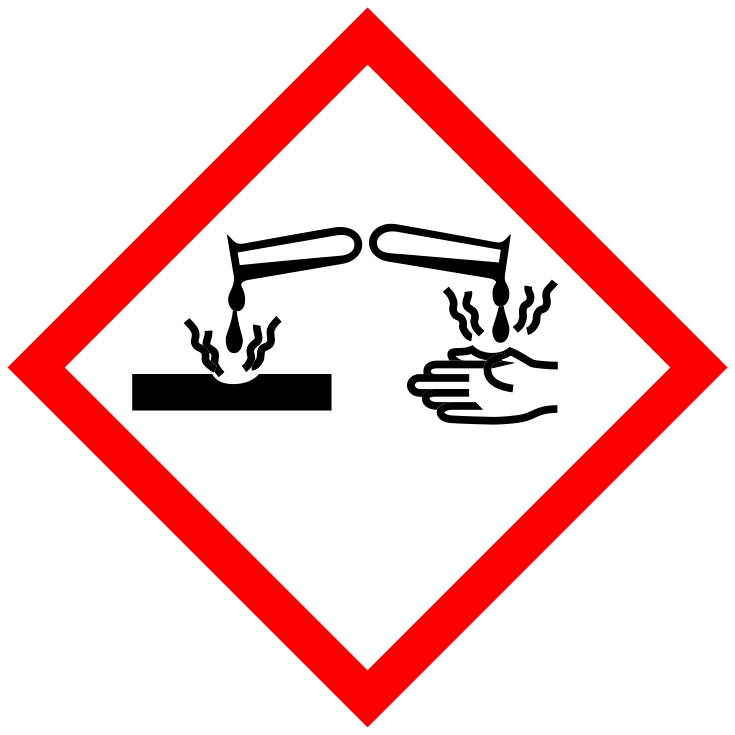
Read the warnings and use appropriate protective equipment before handling the product.
UFI: R740-K062-T00X-3W9T
UFI: X940-20VG-400F-S7VV
Useful additions for your project.