Silicone rubber in the food industry is possible, provided you use a food grade certified product and let it cure fully. The RESION silicone rubber is food grade certified and therefore suitable for moulds that come into contact with food, such as baking moulds and chocolate moulds. Still, there are conditions to look out for, and I list them below.
Silicone rubber in the food industry and food grade certification
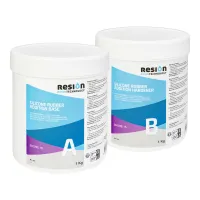
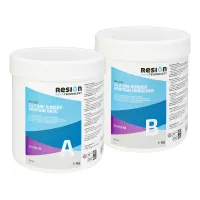
Silicone rubber in the food industry is entirely about the certification. Food grade means that the cured material has been checked for safe contact with food and does not release harmful substances. The RESION silicone rubber range is food grade certified, whereas standard technical silicones without that certification are not intended for food contact. So always check the product specification before you make a mould for edible products.
What food grade silicone is and is not suitable for
Food grade silicone is suitable for a variety of food applications, but not every application has the same requirements. The distinction between direct and indirect contact determines how strict you have to be.
Moulds for chocolate, confectionery and baking moulds
For moulds for chocolate, confectionery and baking moulds, food grade silicone rubber is excellently suited. The material is highly resistant to heat and stays flexible, so that you can easily release a cast shape without damage. For detailed shapes, a flexible variant such as silicone casting rubber shore 15 works nicely, while a firmer shore 40 suits larger or heavier castings better.
Direct and indirect food contact
The difference between direct and indirect food contact determines how critical the certification is. With direct contact, such as a mould into which you pour chocolate, the silicone rubber must be demonstrably food grade. With indirect contact, for example a packaging part that does not touch the food, the requirements are less strict. Take a look at the range of silicone moulds to see which ready-made solutions there are.
What to look out for when working food-safely
Working food-safely with silicone rubber requires full curing and clean processing. Even a food grade product is only safe if you process it correctly.
Full curing and after-treatment
Full curing is the most important condition for food-safe silicone rubber. As long as the material has not fully cured, residues can be released. Keep to the stated curing time and give the mould some extra time afterwards. The cure type plays a role in this; in condensation cure and platinum cure you can read why platinum cure silicones are often preferred for food applications.
Cleaning and temperature resistance
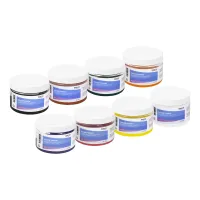
Cleaning and temperature resistance determine how long a food mould remains safe to use. Food grade silicone is highly resistant to heat and is easy to clean, provided you do not use aggressive agents that affect the surface. If you want to colour a mould, use only silicone pigment intended for that purpose and bear in mind that colourant can influence the food grade status.
Are you in doubt whether a specific product is suitable for your food application? Our specialists are happy to give you a definitive answer. Contact customer service before you get started.