
Often chosen
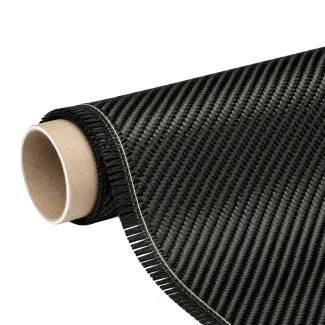
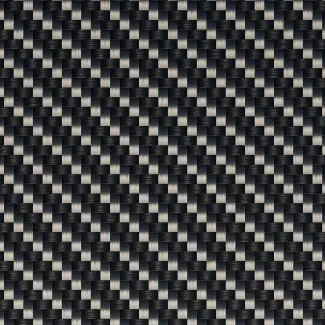
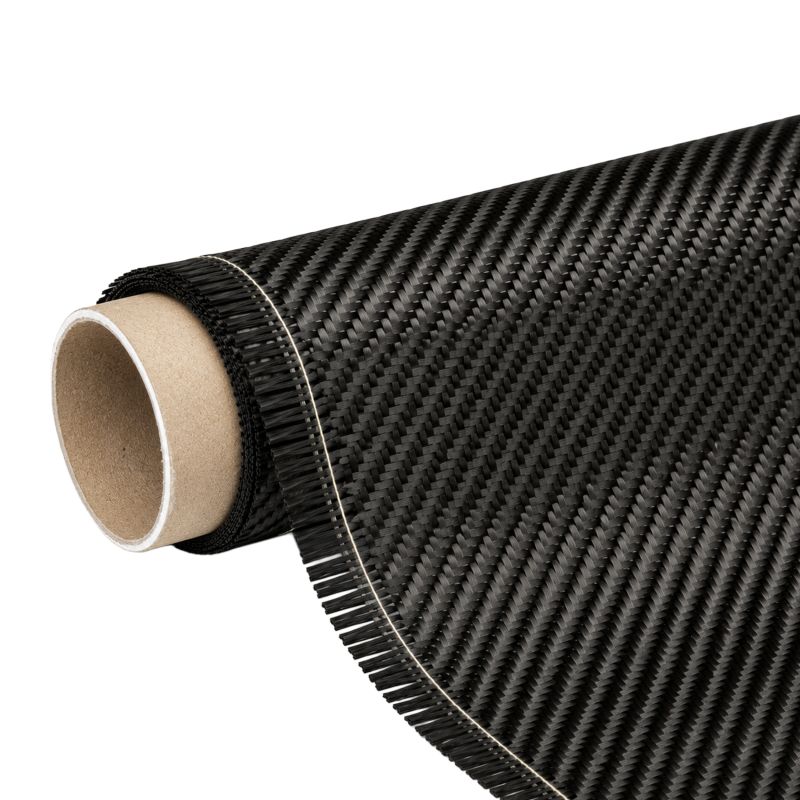
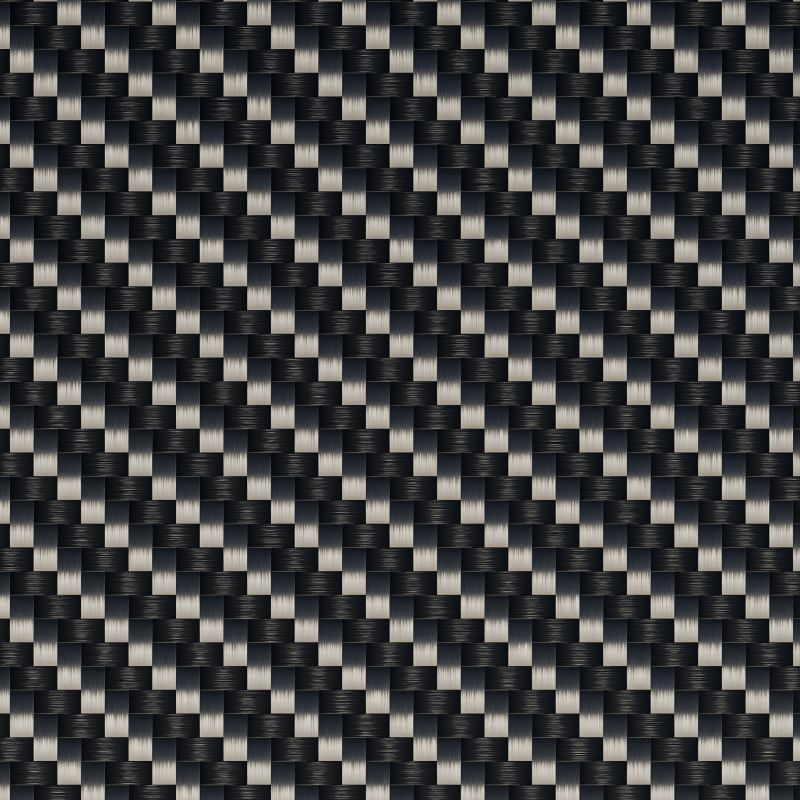
Very affordable carbon fabric 240 g/m2 twill weave. This carbon weave, has a high-quality fibre with exceptional stiffness. This makes it widely used in motorsports, aerospace, aircraft construction, yacht construction and similar sectors.
Thanks to the twill weave, this carbon fabric is very flexible, making it easy to lay shapes, curves and details. This type of carbon fabric is also popular because of its recognizable, high-quality appearance. The carbon fabric is 125 cm wide and can therefore be used well for carbon overlays, for example on a bonnet. The extra grammage compared to carbon fabric 200 g/m2 ensures that the fibres are closer together, which prevents the substrate from showing through.
Carbon fabric is best used when processed in combination with RESION Superclear epoxy resin. The fabric has a resin consumption of approximately 329 gr/m² and gives a layer thickness of 0.47 mm when laminated manually.
For the best results we recommend using a vacuum technique. However, for most applications this is not necessary.
| Application method | Layer thickness | Resin consumption |
| Hand lay-up | 0.47 mm | approx. 329 g/m2 |
| Wet bagging | 0.37 mm | approx. 230 g/m2 |
| Vacuum injection | 0.34 mm | approx. 195 g/m2 |
Weight: 240 g/m2
Weaving style: twill 2/2
Fibre: T300 3K or similar
Width: 125 cm
Packaging: roll
Suitable resins: epoxy and polyester
Dimensions:
The key technical properties clearly listed in one place.
Fibre type affects a composite's strength, stiffness, toughness and weight. Common reinforcement fibres include:
Final properties also depend on fibre orientation, fabric type, resin content and laminate quality.
The technical product category, such as primer, resin, hardener or cleaner. It explains the product's purpose and helps you find other products with a similar function.
Fabric or reinforcement type describes how the fibres are arranged. This affects how easily the material drapes over a shape and which directions it mainly reinforces.
Note: a Square reinforcement (0°/90°) is not the same as a plain-woven square fabric. Also consider fibre type and areal weight (g/m²).
The product's dimensions, usually shown as length × width × height or another product-specific order. Check whether the measurements describe the outside, inside or usable space, especially for containers and moulds.
The measurement across a product from one side to the other, for example for rolls, panels or fabrics. With rolled materials, the usable width may differ from the overall width.
Areal weight is the weight of one square metre of dry reinforcement, expressed in g/m² (grams per square metre). For example, 200 g/m² glass fabric contains 200 grams of dry fibres per m², without resin. Areal weight helps with reinforcement selection and resin consumption estimates, but it is not the final laminate thickness.
Useful additions for your project.