Repairing gelcoat crazing (craquelure)? Small hairline cracks and crazing in a polyester substrate are generally difficult to repair. Putty or filler is hard to apply in these cases because the damage is too shallow and requires extensive sanding or grinding. In this article, we guide you step-by-step to repair hairline cracks in gelcoat. When you complete all the steps, your hull or deck will look brand new again!
Have questions about a gelcoat repair or boat maintenance? Feel free to contact our product specialists. We are happy to help make your project a success!
What is crazing (craquelure)?
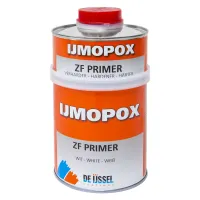
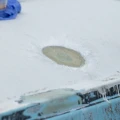
Crazing refers to small hairline cracks in gelcoat or other paint systems. These fine cracks in the gelcoat often develop naturally due to the aging of the paint system. By repairing crazing with IJmopox ZF Primer, the treated surface will look pristine once again.
Repairing gelcoat crazing [guide]
Requirements
- IJmopox ZF Primer
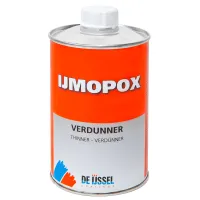
- Thinner for ZF Primer
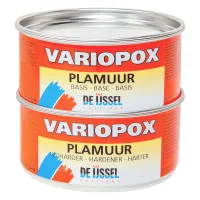
- Variopox Epoxy Putty
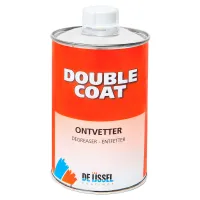
- Double Coat Degreaser (or BioSafe organic degreaser)
- Sandpaper 180, 200 grit (dry)
- Nitrile gloves
- Paint trays
- Mixing cups
- Mixing spatulas
- Digital scale
- Velour roller + roller frame
- Squeegees / putty rubbers
Step 1. Cleaning
Before repairing the hairline cracks in the gelcoat, it is important to clean the gelcoat thoroughly. Use a pressure washer or Riwax RS Boat Clean. Cleaning the substrate thoroughly ensures that the cracks are washed clean and any loose gelcoat is easily blasted away.
Step 2. Sanding
Sand the entire surface with 180-grit sandpaper. This improves adhesion between the gelcoat and the ZF Primer you will apply next. Degrease the surface after sanding using Double Coat Degreaser.
Step 3. Repairing loose gelcoat
Sanding may have revealed areas where the gelcoat has come loose. Touch up these areas with Variopox Epoxy Putty and sand smooth once cured.
Step 4. Applying IJmopox ZF Primer
We will repair the gelcoat crazing using IJmopox ZF Primer. Read the technical datasheet carefully before working with ZF Primer. It contains key information regarding mixing ratios, thinner quantities, coverage, and application.
ZF Primer Instructions
- Determine the desired quantity and weigh both components on a digital scale according to the 87:13 mixing ratio by weight.
- Mix the base and hardener thoroughly.
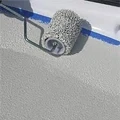
- Apply ZF Primer with a velour roller.
- Immediately smooth over the surface without pressing hard, working the coating into the crazing using a squeegee/putty rubber.
We recommend applying 2 coats of this epoxy primer. Apply the first coat diluted with approximately 5% IJmopox thinner. Subsequent work can be done undiluted. Always wear protective clothing and nitrile gloves when working with ZF Primer.
Step 5. Next steps
Once you have applied the ZF Primer, the tiny cracks causing the gelcoat crazing will be filled. We recommend sanding the surface once more with a light P200 grit (dry). After this, you can proceed with step 4 from our guide on painting your deck and/or hull.
Need more information about repairing hairline cracks in gelcoat?
Have questions about gelcoat repairs or fixing crazing? Feel free to contact one of our specialists. We are happy to advise you to make your project a success. Send us a WhatsApp message or email support@polyestershoppen.nl for free, no-obligation advice.