You probably recognize the situation: you have a tin of Epifanes or De IJssel yacht lacquer in your shopping cart on our website. The paint isn't cheap, but you want only the best for your boat. In the description, you read that a special thinner from the same brand is recommended, but in your shed, you might still have one of those familiar, dirt-cheap white plastic bottles of mineral spirits from the hardware store. You'd be a thief of your own wallet to choose the expensive version, right? Thinner is just thinner, after all.
Unfortunately, reality works a bit differently. The difference between that cheap white bottle and a reputable thinner largely determines the success of your job. In fact, it makes a difference of up to 30% in gloss level! In this blog post, we explain why the right thinner is the most important investment in your entire painting project.
Why do you use a thinner in the first place?
Before we dive into quality, it helps to understand why we dilute paint at all. Straight out of the tin, high-quality paint is often very thick and heavy. You mainly use a thinner for three reasons:
- Better penetration and adhesion
When painting bare wood or fiberglass, the first coat is crucial. By diluting the paint significantly (often 10% to 20%), it becomes fluid enough to soak deep into the pores of the substrate. This ensures perfect anchoring. - The correct viscosity
If the paint is too thick, it is hard to spread. You quickly get heavy brush marks, and the paint dries too fast during rolling or brushing. A splash of thinner makes the paint smooth and easy to work with. - Adjusting for temperature
Are you painting on a warm, windless summer day? The solvent in the paint will evaporate rapidly. Adding a small amount of (slow) thinner corrects this, giving the paint time to level out smoothly.
'30% more gloss', the result of purity
The main difference between a 'white bottle' (such as standard mineral spirits) and a professional thinner lies in the purity and power of the product. Cheap hardware store thinners are often a 'broad cut' from oil refining. They are essentially residual products containing varying chemical compounds and even traces of water. That is fine for cleaning a brush, but you do not want it in your paint.
Manufacturers like Epifanes, De IJssel and International produce thinners that are far purer and more powerful. They do not break down the high-quality resins in the paint; instead, they dissolve them perfectly. This ensures optimal curing of the paint film, yielding up to 30% higher gloss. That coveted, deep 'mirror effect' shine relies heavily on the purity of your thinner.
Thinner is crucial for two-component products
While you notice a loss of quality right away with a 1-component paint, using cheap thinner with 2-component paint (such as Double Coat DD Lacquer and Epifanes Polyurethane) is completely out of the question.
A 2K paint does not air-dry; it cures through a chemical reaction between the base and the hardener. Cheap mineral spirits are chemically not strong enough to carry this paint and will deactivate the hardener. The result? The paint will not cure, turns completely dull, or starts to wrinkle immediately. For these high-end paints, using the specific system thinner is simply a strict requirement for success.
Handy overview: which thinner belongs to which product?
Epifanes
Thinners from Epifanes.
| Thinner | Suitable for | Paint type | Application method |
| Epifanes Brush Thinner |
|
1-component (1K) | Brush / Roller |
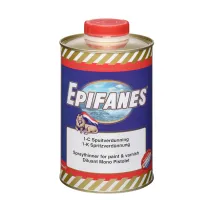
| Epifanes 1-C Spray Thinner |
|
1-component (1K) | Paint sprayer |
| Epifanes PU Brush Thinner |
|
2-component (2K) | Brush / Roller |
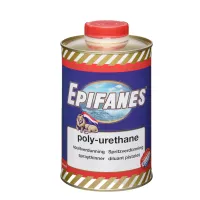
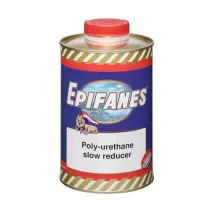
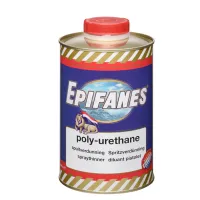
| Epifanes PU Spray Thinner & Epifanes PU Slow Reducer |
|
2-component (2K) | Brush / Roller / Paint sprayer |
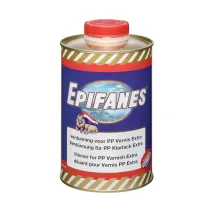
| Epifanes PP Varnish Extra Thinner |
|
2-component (2K) | Brush / Roller / Paint sprayer |
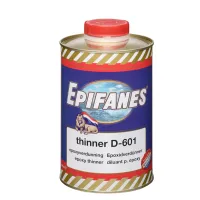
| Epifanes Epoxy Thinner D-601 |
|
2-component (2K) | Brush / Roller / Paint sprayer |
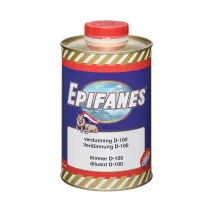
| Epifanes Thinner D-100 |
|
1-component (1K) | Brush / Roller |
Double Coat
Thinners for diluting products from De IJssel Coatings.
| Thinner | Suitable for | Paint type | Application method |
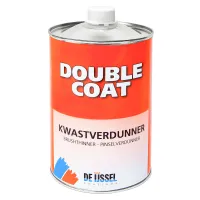
| Double Coat Brush Thinner |
|
2-component (2K) | Brush / Roller |
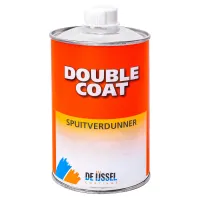
| Double Coat Spray Thinner |
|
2-component (2K) | Paint sprayer |
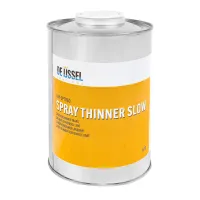
| Double Coat Spray Thinner Slow |
|
2-component (2K) | Paint sprayer |
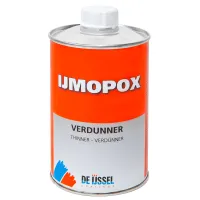
| IJmopox Thinner |
|
2-component primers (2K) | Brush / Roller / Paint sprayer |
International
Thinners for diluting products from International.
| Thinner | Suitable for | Paint type | Application method |
| Thinner No. 1 |
|
1-component topcoat and primers (1K) | Brush / Roller / Paint sprayer |
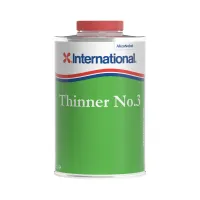
| Thinner No. 3 |
|
1-component primers (1K) | Brush / Roller |
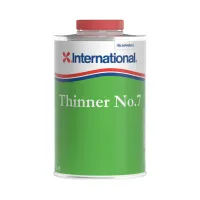
| Thinner No. 7 |
|
2-component primers (2K) | Brush / Roller |
Rule of thumb for thinners
Does this mean you should immediately take those cheap white bottles to chemical waste disposal? Certainly not. You just need to use them correctly. Remember this rule of thumb:
- Cheap white spirits / mineral spirits
Suitable for cleaning your tools, rinsing brushes, or rough degreasing of a surface. - Manufacturer's system thinner
The only liquid that actually goes into your paint (especially during the crucial first coats on bare wood for optimal adhesion).
Need more information about thinners?
If you've spent hours sanding, filling, and degreasing, don't skimp on the last percentage points of your project. A powerful, pure thinner from the brand itself preserves the flow, adhesion, lifespan, and most importantly, that coveted extra 30% gloss. That way, you'll enjoy a smooth, mirror-like finish you can be proud of for much longer!
Do you have any questions about choosing or using the right thinner? Feel free to contact our specialists. We are happy to advise you on your project via email, WhatsApp, or phone.