Recommended

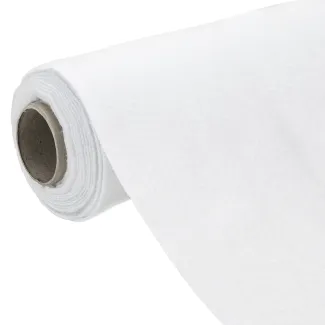
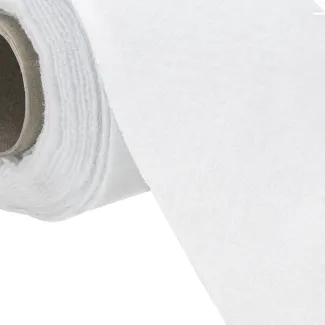
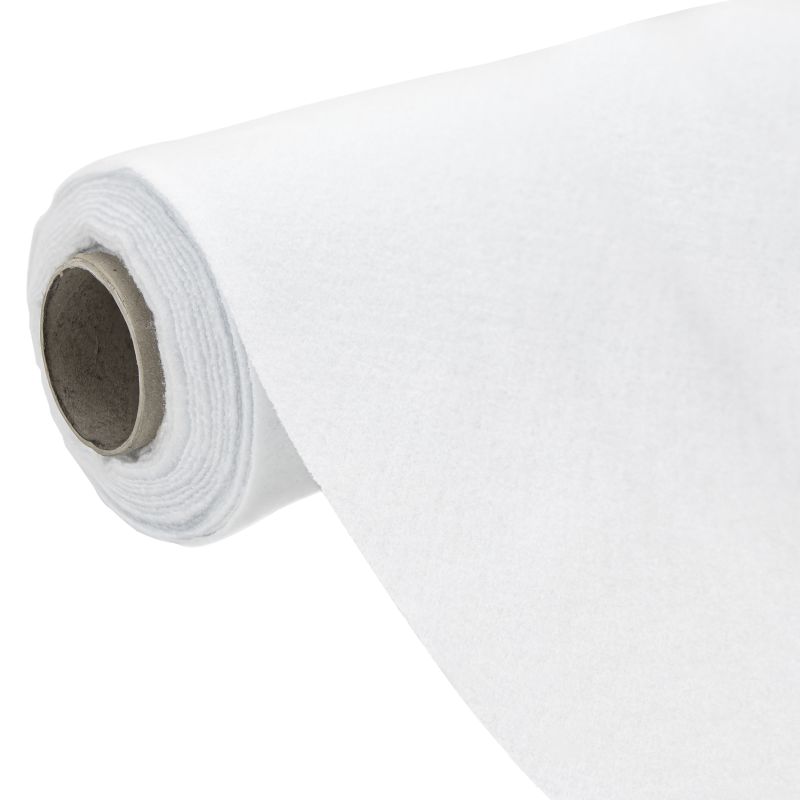
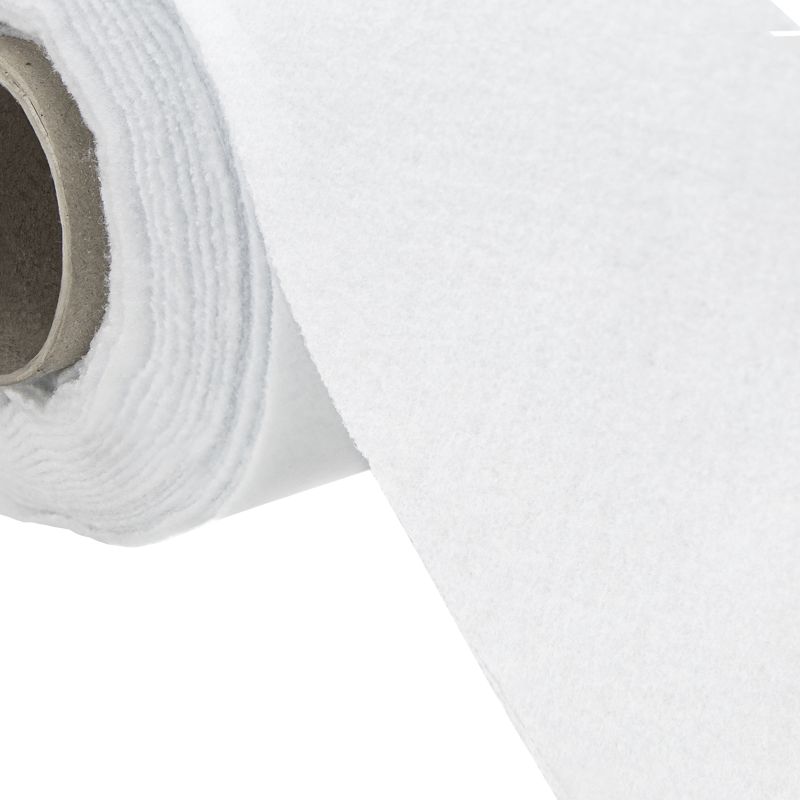
Vacuum Bleeder 340 g/m2 is a strong and flexible bleeder cloth designed for vacuum laminating. The material ensures an even vacuum distribution across the laminate and absorbs excess resin. Thanks to its higher weight, this variant is suitable for heavier laminates with a combined glass weight starting from approximately 800 g/m2.
The polyester bleeder cloth is easy to handle and conforms well to curved and complex shapes. High-temperature resistance makes it suitable for various resin and vacuum infusion systems, even when higher temperatures are used during curing.
Vacuum bleeder 340 g/m2 is supplied on a roll and is available in the following dimensions:
The key technical properties clearly listed in one place.
The technical product category, such as primer, resin, hardener or cleaner. It explains the product's purpose and helps you find other products with a similar function.
The physical thickness of the supplied material, such as a panel, pad, film or foam sheet. This differs from the thickness of a liquid coating applied to a surface.
The base material a product or part is made from, such as HDPE, aluminium, glass fibre or foam. Material choice affects weight, stiffness, chemical resistance and how the part can be worked or processed.
Areal weight is the weight of one square metre of dry reinforcement, expressed in g/m² (grams per square metre). For example, 200 g/m² glass fabric contains 200 grams of dry fibres per m², without resin. Areal weight helps with reinforcement selection and resin consumption estimates, but it is not the final laminate thickness.
Heat resistance describes the temperature a material can withstand after correct processing and curing, usually expressed in degrees Celsius (°C). Continuous exposure is different from a brief temperature peak, and mechanical loading may also affect the limit. Heat resistance is not the same as the temperature at which the product can be applied.
Useful additions for your project.