
Recommended

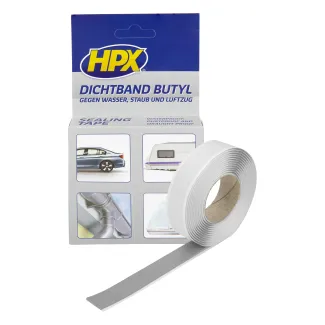
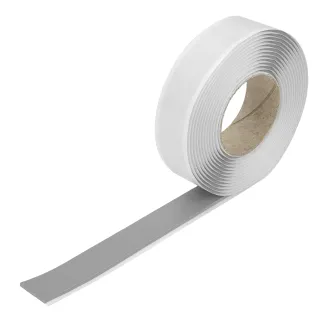
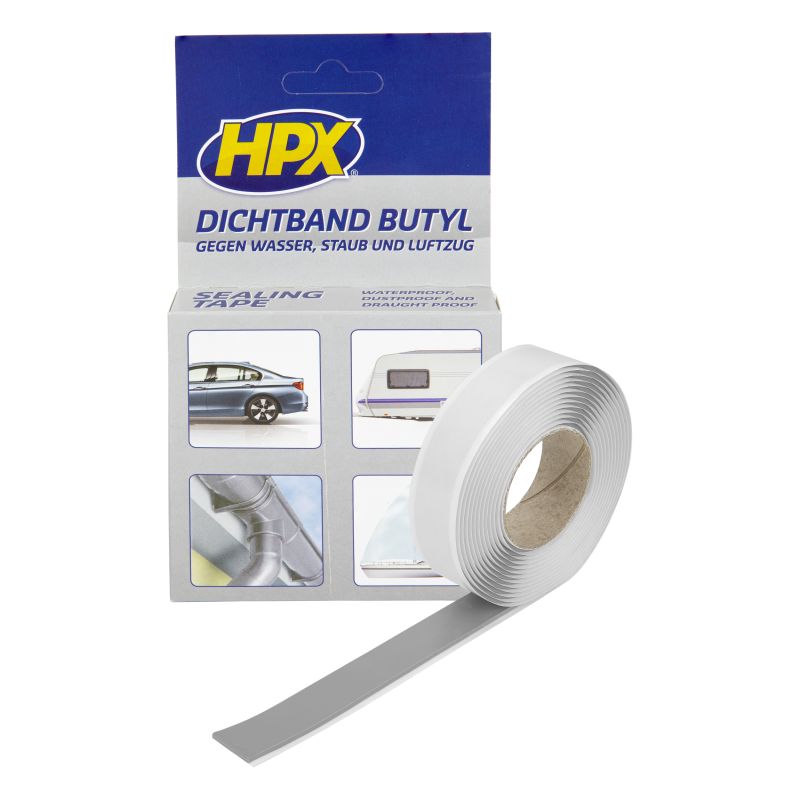
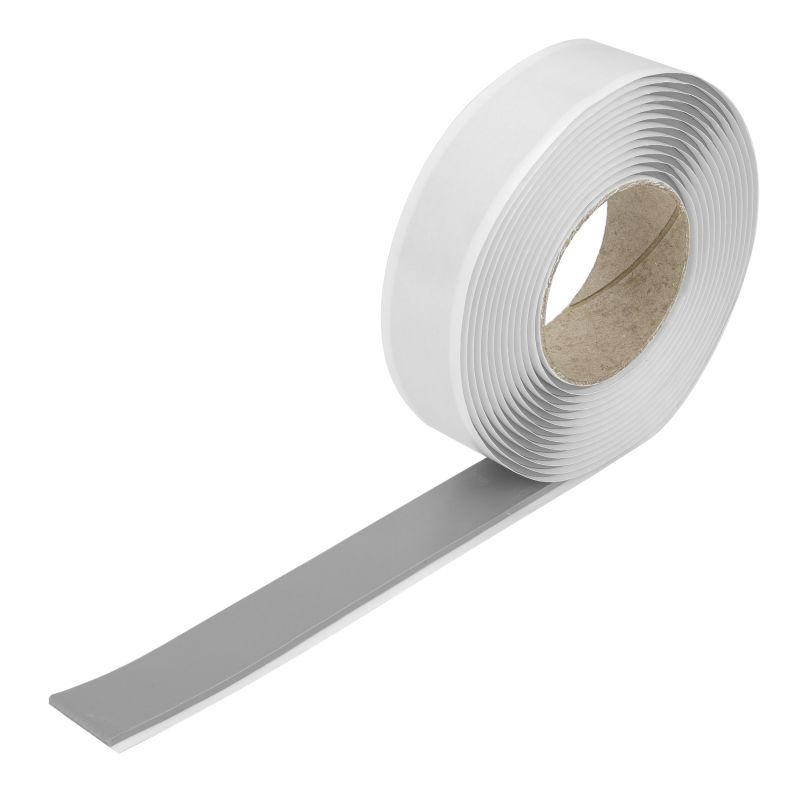
HPX 8000 is a high-quality butyl sealing tape for sealing deck fittings, stanchion bases, winches, cars, boats and similar assemblies. It protects against water, dust and draughts. The tape is easy to apply and any excess can be cut away neatly.
HPX butyl sealing tape can be used to seal leaks and joints between plastic and metal. Its strong, durable construction also allows it to be drilled.
Suitable for sealing a variety of assemblies, including:
Adhesive: butyl rubber
Backing: butyl
Colour: grey
Width: 20 mm
Length: 3 metres
Thickness: 2.00 mm
Temperature resistance: 90°C
Adhesion: 20 N/25 mm
Article number: BU2003
The key technical properties clearly listed in one place.
The measurement across a product from one side to the other, for example for rolls, panels or fabrics. With rolled materials, the usable width may differ from the overall width.
The physical thickness of the supplied material, such as a panel, pad, film or foam sheet. This differs from the thickness of a liquid coating applied to a surface.
The backing material that supports a functional layer, such as paper or fabric behind abrasive grains or film behind an adhesive coating. The backing affects flexibility, tear resistance and suitability for wet or dry use.
Heat resistance describes the temperature a material can withstand after correct processing and curing, usually expressed in degrees Celsius (°C). Continuous exposure is different from a brief temperature peak, and mechanical loading may also affect the limit. Heat resistance is not the same as the temperature at which the product can be applied.
Useful additions for your project.


