Anyone who owns a steel boat will have to deal with it sooner or later: rust. That might sound alarming right away, but fortunately it doesn't have to be. Rust is highly manageable as long as you act in time and know what you are doing. With proper preparation, protection, and the right products, you can prevent, stop, and remove rust. In this blog post, we explain how.
What is rust and how does it form?
Rust is the reddish-brown material formed when iron comes into contact with oxygen and moisture. This process, also known as corrosion, slowly degrades the steel. The metal loses its strength and can eventually deteriorate completely over time.
On boats, rust often forms in areas where:
- the paint film is damaged.
- water pools or remains standing.
- seams, welds, or bolted joints are present.
Initially, you will often notice small brown dots or rust streaks, but left untreated, this can escalate into severe damage to the steel hull.
Preventing rust
The best way to deal with rust is to prevent it as much as possible. That begins with proper protection of the steel.
Good paintwork
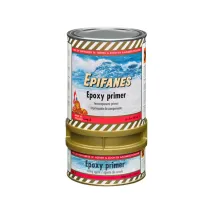
A high-quality paint system is essential. This always starts with meticulous surface preparation: cleaning, sanding, and degreasing. This is followed by a primer that bonds well and offers adequate film thickness. The better the paint layer, the lower the chance of oxygen and moisture reaching the steel. On boats, a distinction is made between the topsides and the underwater hull. Below the waterline, extra protection is required, often in the form of multiple coats of anticorrosive (epoxy) primer, followed by a tie-coat and antifouling. Above the waterline, a suitable primer topped with a topcoat usually suffices. Examples of anticorrosive primers include Epifanes Epoxy Primer, IJmopox ZF Primer, International Primocon, and International Interprotect.
Cathodic protection
Alongside paint, cathodic protection is indispensable. Anodes ensure that the anode itself corrodes rather than the hull. This is particularly crucial around the propeller shaft system, where different metals like steel, bronze, and brass meet. Check anodes regularly and replace them in a timely manner.
Tackling rust: converting or removing
Discovered rust after all? Then taking swift action is important. The earlier you intervene, the simpler the repair. There are two ways to address rust: converting or removing.
Rust converting
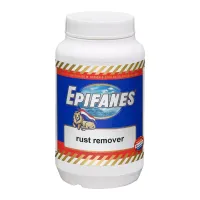
A rust converter, such as Epifanes Rust Remover, halts the corrosion process and converts residual rust into a stable layer that can be painted over. This allows you to easily apply a new primer and paint system on top.
Rust removal
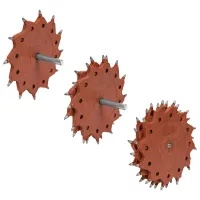
For larger surface areas or stubborn rust, the Tercoo rotating disc blaster is an excellent solution. It removes rust, old paint layers, and contaminants without damaging the sound underlying steel. It is a practical, affordable alternative to sandblasting and creates an ideal surface profile for a new protective coating.
Tips to prevent rust
- Always act in time
Rust will not stop by itself. The smaller the spot, the easier the fix. - Find the root cause
Did the rust occur due to mechanical damage, an overly thin paint layer, or an aged paint system? Understanding this will help you prevent recurrence. - Inspect critical areas regularly
Regularly check the deck, seams, windows, filler caps, and underwater hull for rust to act quickly. Rust in these areas can silently cause extensive damage. - Maintenance extends lifespan
Keep the paint film in good condition, touch up damage immediately, and inspect the hull and anodes annually.
Need more information on preventing and treating rust?
Dealing with rust and have questions about the process? Feel free to contact our specialists! We are happy to advise you on the right method to tackle rust on your boat.