Secure payment with PayPal, Mastercard, Visa and more
4.7 out of 5 stars on Trusted Shops
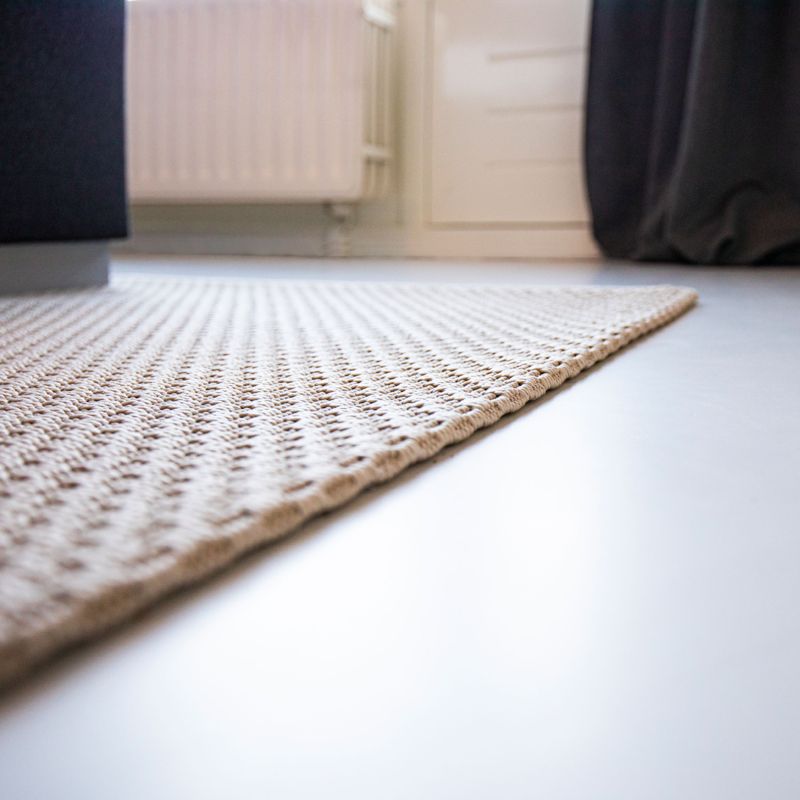
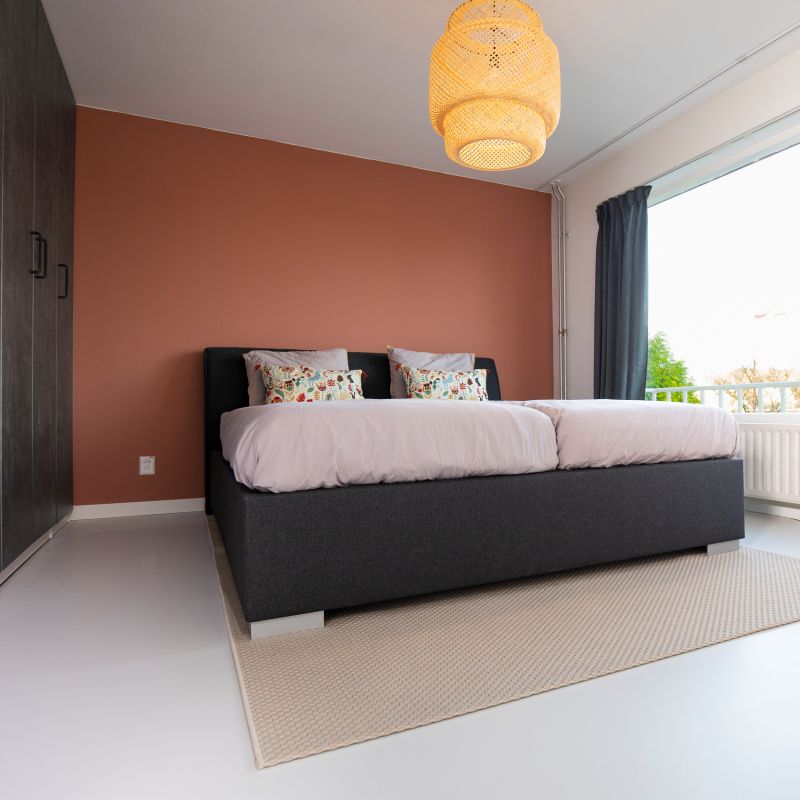
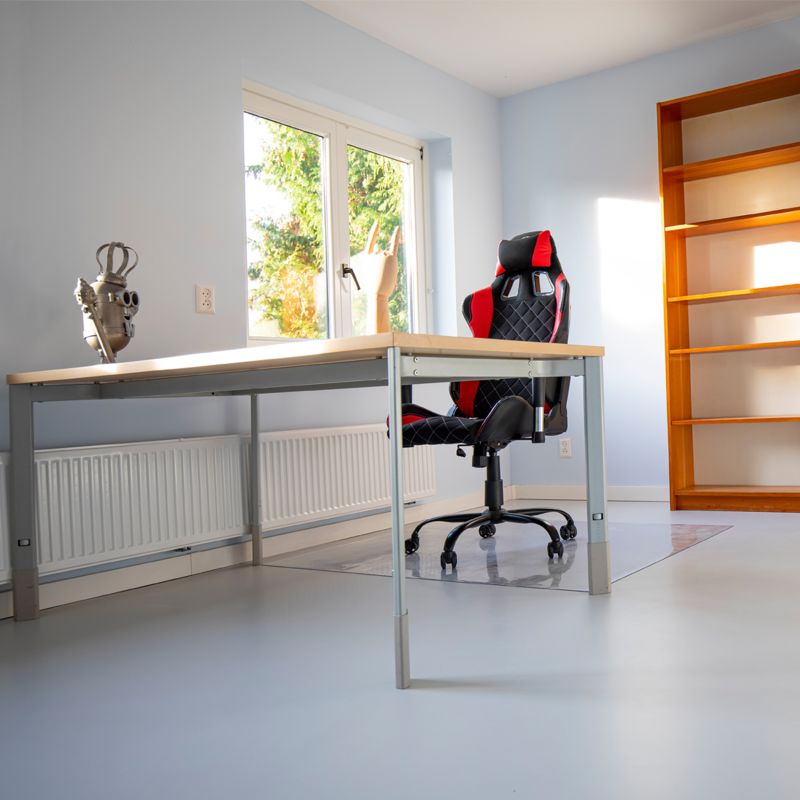
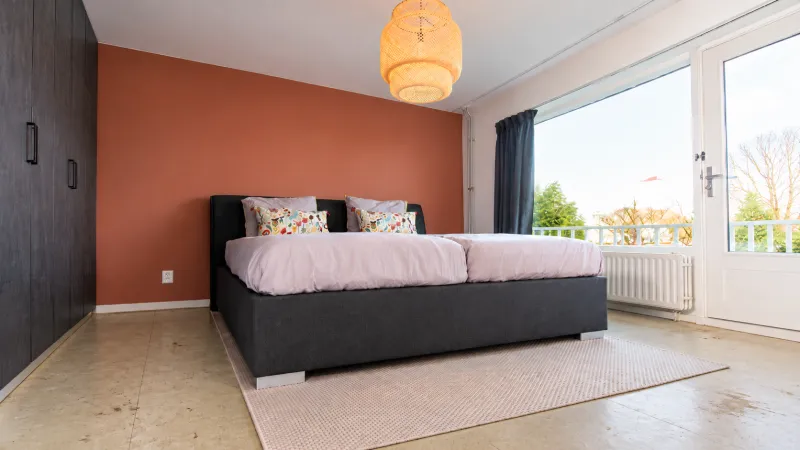
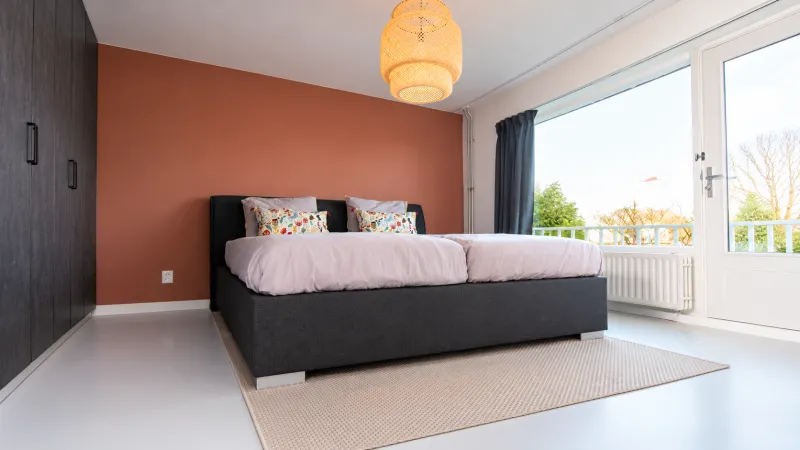
Looking for a PU self-levelling floor with a modern, seamless finish? The RESION PU Self-Levelling Floor is the perfect choice for anyone looking to combine style and functionality in the living room, kitchen, bathroom or office. Thanks to the elastic properties of polyurethane, this flooring system is ideal for residential spaces. Its 100% aliphatic formulation makes it UV-resistant without the need for an additional topcoat.
Why choose a polyurethane self-levelling floor?
A polyurethane (PU) self-levelling floor stands out from other flooring systems thanks to its unique combination of hardness and elasticity. While an epoxy floor excels at withstanding heavy mechanical loads, a PU floor offers greater flexibility. This makes it particularly suitable for residential environments, where the floor is exposed to daily movement, minor impacts and temperature fluctuations.
Benefits of a PU self-levelling floor:
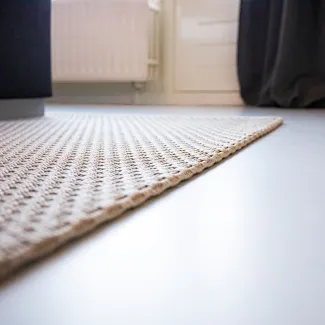
Seamless and sleek: hygienic and easy to clean.
Elastic and resistant to impacts and substrate movement.
Solvent-free and liquid-tight.
Suitable for all types of rooms (including living rooms, kitchens, bathrooms and offices).
A common drawback of many PU flooring systems is discolouration caused by UV light. Most systems require a separate UV-resistant topcoat to prevent this. However, the RESION PU Self-Levelling Floor is 100% aliphatic, meaning the floor itself is resistant to UV radiation. No additional coating is required while maintaining a long-lasting, beautiful colour.
Suitable applications
A RESION PU self-levelling floor is suitable for a wide range of applications, including:
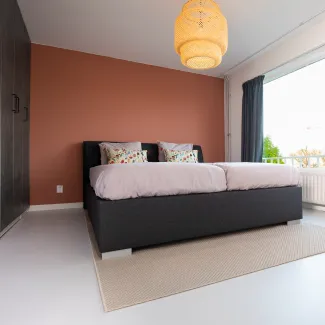
Living room floors
Bathroom floors
Kitchen floors
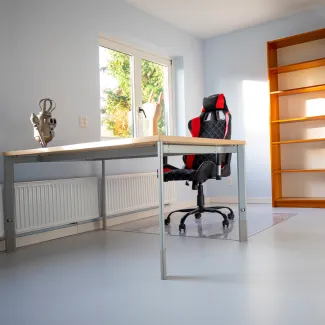
Office floors
Canteen floors
Retail floors
And many other spaces
Quick application guide
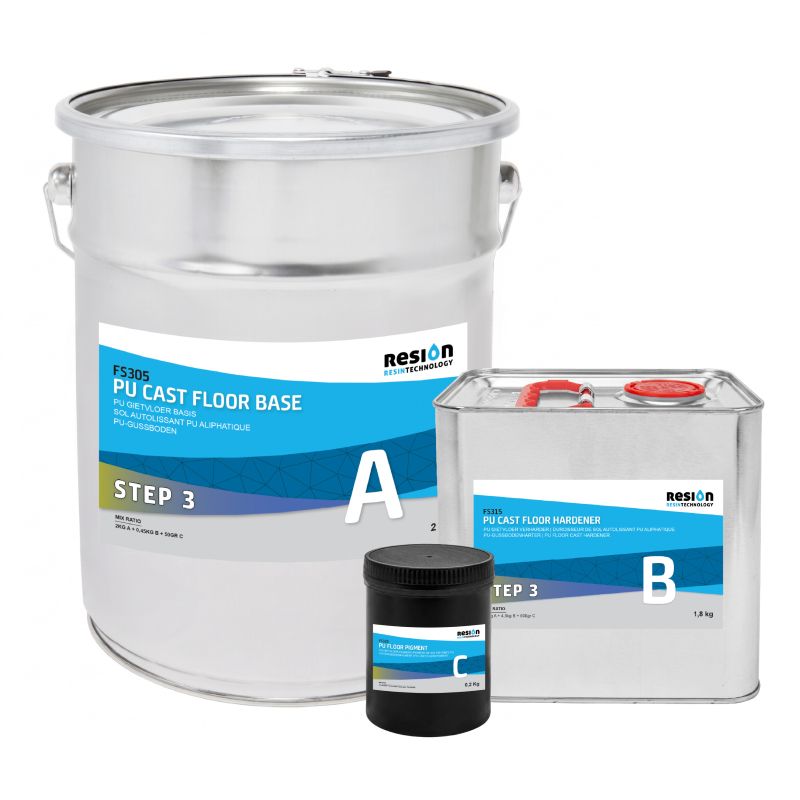
Stir component A thoroughly and add the pigment.
Add component B to component A.
Mix both components thoroughly for at least 3 minutes using a spiral mixer.
Pour the mixture into a clean bucket and mix again thoroughly, making sure to scrape the sides and bottom of the bucket.
Allow the PU floor to cure. The floor is walkable after approximately 18 hours.
Within 24 hours after curing, finish the floor with a matt coating for additional protection, improved scratch resistance and a subtle anti-slip finish. If you apply the coating after 24 hours, lightly abrade the surface mechanically and remove all dust before applying the next layer.
Choose the package size that best suits your project:
Contents
Coverage
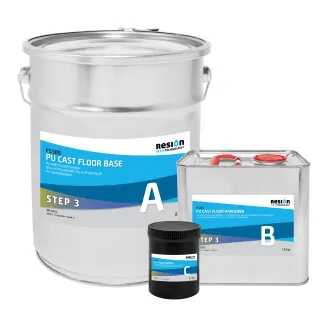
A Base (FS305)
B Hardener (FS315)
C Pigment (FS325)
10 kg
3.5 m2
8 kg
1.8 kg
200 grams
25 kg
8.5 m2
20 kg
4.5 kg
500 grams
Additional information
Colour: RAL colours Viscosity: approx. 4800 mPa.s Density: 1.4 kg/l Pot life: approx. 30 minutes Mixing ratio: 100 : 22.5 : 2.5 (A:B:C) Coverage: approx. 3 kg/m² Layer thickness: approx. 2.2 mm Dust dry: after approx. 8 hours Walkable: after approx. 18 hours Hardness: Shore D approx. 40 Recoat window: within 24 hours (if you wait longer, lightly abrade the surface mechanically and remove all dust before applying the next coat) Surface finish: smooth
Create your own PU self-levelling floor
Now that you know how to apply a polyurethane self-levelling floor, you’re ready to get started yourself. Do you have any questions? We’re happy to help. You can easily reach us via WhatsApp, so don’t hesitate to get in touch. You can also contact us by phone on +31 85 022 0090 or by email at support@polyestershoppen.com.
Product properties
The key technical properties clearly listed in one place.
Article number
VLO001006
The resin family or system that a hardener, additive or reinforcement material can be combined with, such as epoxy, polyester or vinyl ester. Compatibility depends on the complete system, not just the general resin type.
Polyurethaan (PU)
The technical product category, such as primer, resin, hardener or cleaner. It explains the product's purpose and helps you find other products with a similar function.
Epoxyvloer
The recommended layer thickness is the thickness at which you apply each coat of paint, coating or resin. It is usually given in micrometres (µm) or millimetres (mm).
Wet film thickness: the thickness immediately after application.
Dry film thickness: the thickness after drying or curing.
For a coating with 60% solids by volume, a wet film of 100 µm will theoretically produce a dry film of approximately 60 µm. Film thickness affects coverage, protection and drying. Always check whether the manufacturer specifies wet or dry film thickness.
Approximately 2.2 mm
The waiting time before a coating, floor or bonded joint can withstand a specified load, such as light foot traffic or gentle handling. Resistance often increases as curing continues; full mechanical and chemical resistance may be reached later.
Foot traffic: approximately 18 hours
Hardness describes a material's resistance to indentation. For silicone rubber and other elastomers, the Shore A scale is commonly used: Shore A 15, for example, is softer than Shore A 40. Harder plastics may be rated on the Shore D scale. The number belongs to its Shore scale and is not a unit like MPa; values on different scales cannot be directly compared.
Shore D 40
Mixing ratio indicates how much of each component is needed, for example resin (A) and hardener (B). A ratio of 100:50 by weight means 100 grams of A to 50 grams of B; by volume you might use millilitres. Weight and volume ratios are not necessarily the same because the components may have different densities. Accurate measuring is important for proper curing.
100:22.5:2.5 (by weight; base:hardener:pigment)
The visible or tactile texture of a surface, such as smooth, rough or patterned. Surface texture can affect grip, appearance and preparation for a subsequent layer.
Smooth
A paint or varnish layer is dust-dry when settling dust is less likely to stick to the surface. It may not yet be touch-dry, ready for overcoating or suitable for loading; these are different stages of drying and curing.
Approximately 8 hours
Consumption or coverage describes how much product is needed for a given surface area. Consumption may be stated in g/m² or kg/m², while coverage is often given in m²/L or m²/kg. A consumption of 0.2 kg/m² means a theoretical 200 grams per square metre. Actual use depends on film thickness, substrate absorbency, application method and waste.
Approximately 3 kg/m²
Net contents
10 kg, 25 kg
Safety information
Read the warnings and use appropriate protective equipment before handling the product.
PU vloerpigment | RAL 1000 Groenbeige | 200 gr
Recommended protective equipment
Warnings and precautions
EUH201
Contains lead. Should not be used on surfaces liable to be chewed or sucked by children.
EUH210
Safety data sheet available on request.
EUH211
Warning! Hazardous respirable droplets may be formed when sprayed. Do not breathe spray or mist.
FS305 | PU gietvloer | Basis (A) | 8 kg
Geen
Recommended protective equipment
Warnings and precautions
EUH210
Safety data sheet available on request.
EUH211
Warning! Hazardous respirable droplets may be formed when sprayed. Do not breathe spray or mist.
FS315 | PU gietvloer | Verharder (B) | 1,8 kg
Waarschuwing
Recommended protective equipment
Hazard pictograms
Warnings and precautions
H317
May cause an allergic skin reaction.
P101
If medical advice is needed, have product container or label at hand.
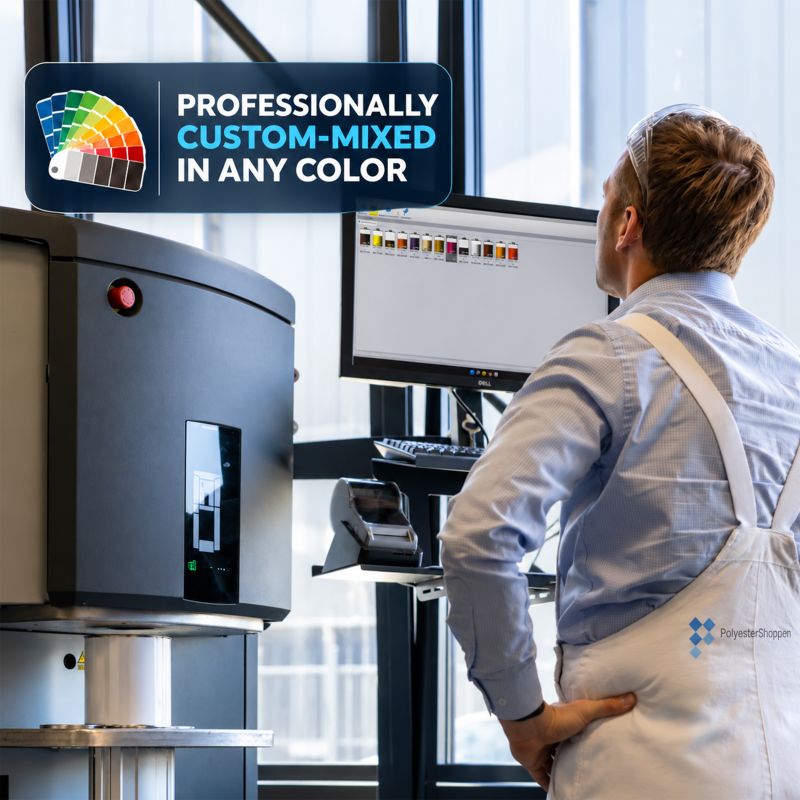
In addition to the standard RAL colors, we can also supply this product in other color systems, such as NCS and Sikkens. Enter the desired color number and color system here to request a custom color. Please note: this color cannot be returned.
This request is reviewed manually. A surcharge may apply for special colours.
Selected color:
Colors could not be loaded
Please try again or close this window.
Loading colors...
No colors found
Try a different search term or submit a custom color request using the button above.
Colors displayed on a screen may differ from the actual color. For reliable color assessment, use an official color chart.