Damage such as cracks, scratches, dullness, or crazing (craquelure) can sometimes develop in a gelcoat topcoat. Fortunately, this is easy to repair, and Polyestershoppen has all the materials you need. In this article, you can read how to carry out gelcoat repairs easily.
Not sure which materials you need? Feel free to contact our specialized customer service! Ordered too many materials? No problem, unopened packages can be returned for free.
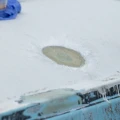
Repairing shallow scratches in gelcoat
Repairing shallow scratches in gelcoat is a fairly simple repair. You can simply sand out the scratches and then polish the surface to make them disappear.
- Start sanding with 400-800 grit sandpaper (wet, using a sanding block) and sand as finely as possible (up to 2000 grit).
- After this, you can polish out any remaining fine sanding scratches using coarse and fine polishing paste.
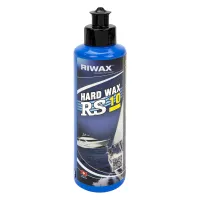
- To optimally protect the repaired gelcoat layer and give it a beautiful shine, use Riwax RS10.
Repairing a deep scratch in gelcoat
Repairing deep scratches in gelcoat requires a slightly more thorough approach. However, this repair is still easy to perform. Follow the steps below:
- Grind out thin scratches using a rotary tool or similar tool. Wider scratches are best sanded down lightly.
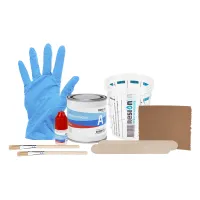
- Next, mix Polyester topcoat with the hardener and apply it into the crack using a putty knife or small glue brush. It is best to apply slightly too much, as polyester topcoat shrinks as it cures.
- After curing, follow the instructions for removing a shallow scratch as described above.
Deep scratches can also be filled with a gelcoat putty colored with pigment paste. Then follow the steps for finishing a scratch, and the repair will be invisible.
Repairing dull or weathered gelcoat
Over time, your boat's gelcoat layer can become dull due to age or UV light exposure. If this happens, you can restore the shine to the gelcoat using the following steps:
- Polish the gelcoat using a coarse and medium polishing paste.
- If this does not achieve the desired result, it is advisable to sand the top layer of the gelcoat with fine-grit sandpaper on a sanding block. Afterward, repeat the polishing process. Do not sand away too much material!
At Polyestershoppen, you can buy polishing paste as an individual product. This is especially useful if you need to polish larger surface areas. We also recommend using polishing cloths or a polishing machine in combination with the polishing paste.
Repairing crazing (craquelure) in gelcoat
Crazing is damage recognized by numerous fine cracks running in many directions across a gelcoat layer, sometimes resembling a mosaic pattern. Repairing crazing is manageable if you follow these steps:
- Clean the gelcoat thoroughly with a pressure washer.
- Sand the gelcoat with P180 grit sandpaper.
- Degrease the surface and make it dust-free.
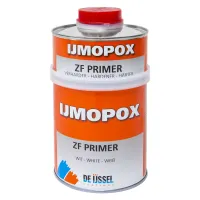
- Coat the surface with diluted ZF Primer (dilute using thinner for ZF Primer).
- Once the ZF Primer has cured, you can lightly sand if necessary (280 grit) and topcoat with Double Coat DD Paint.
Need more information about gelcoat repairs?
Do you have questions after reading this article about performing a gelcoat repair? Feel free to contact our specialists. We are happy to advise you to ensure your project is a success!